
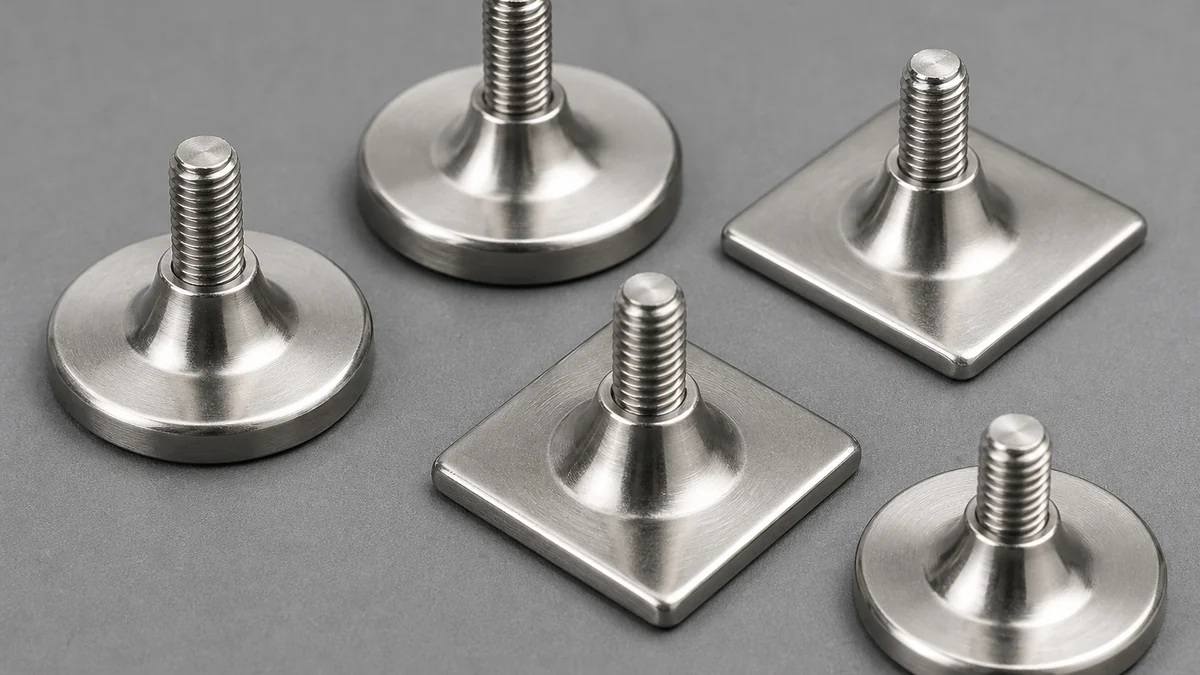
Bonded Stud Systems
Threaded and hex-base adhesive studs that transfer load through engineered bonding pads.
Best sellers
Popular Bonded Studs
Stainless stud packs sized for marine panels, machinery brackets and composite interiors.
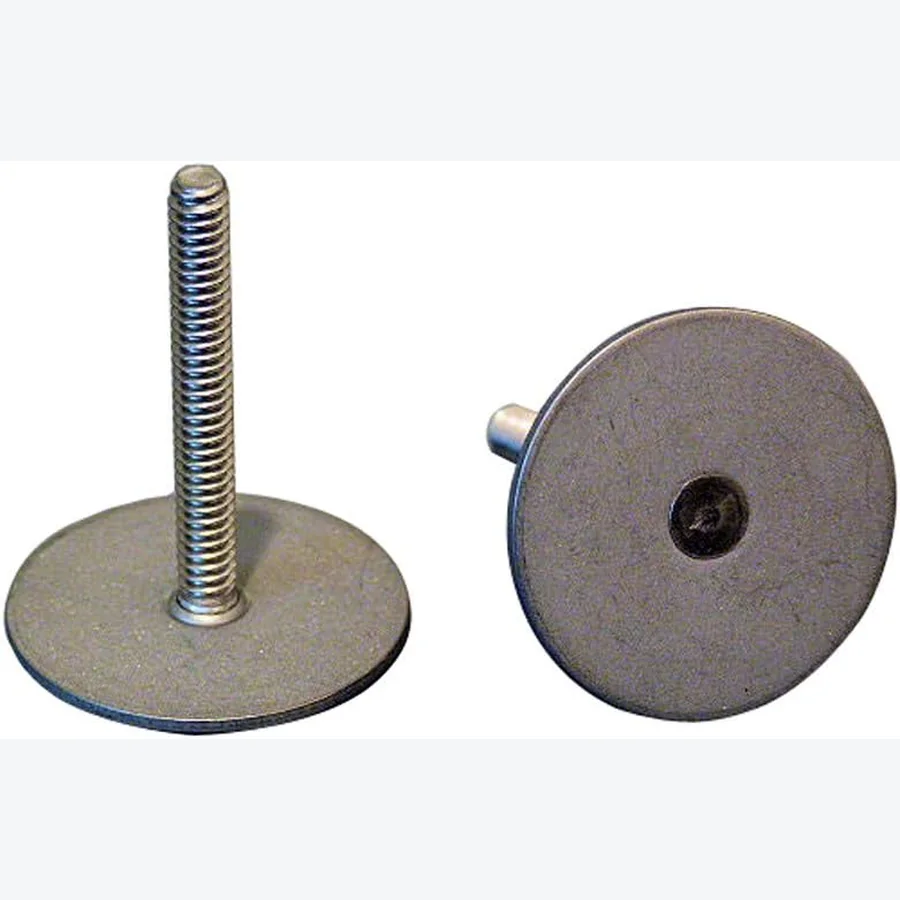
Stainless Stud 10-Pack
Ten 0.75-inch stainless studs with #10-24 threads for compact bonded mounting points.
Check Price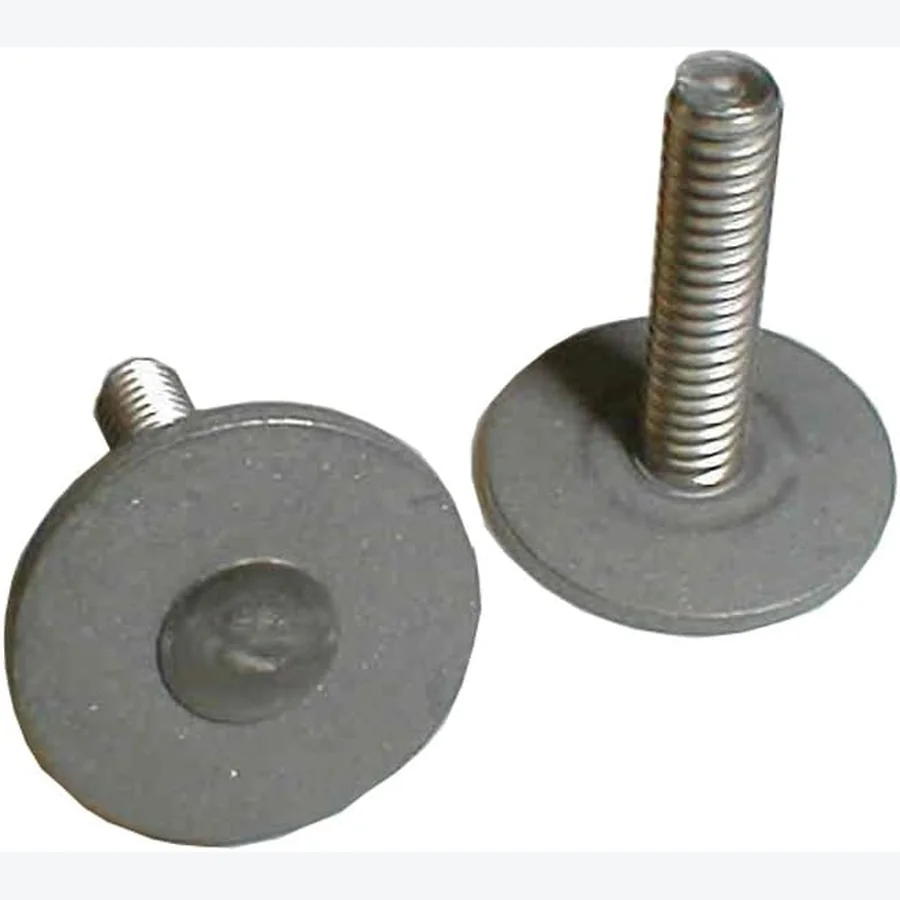
0.75" Stainless Stud
Short stainless panel stud with a wide base plate for wire clamps and light brackets.
Check Price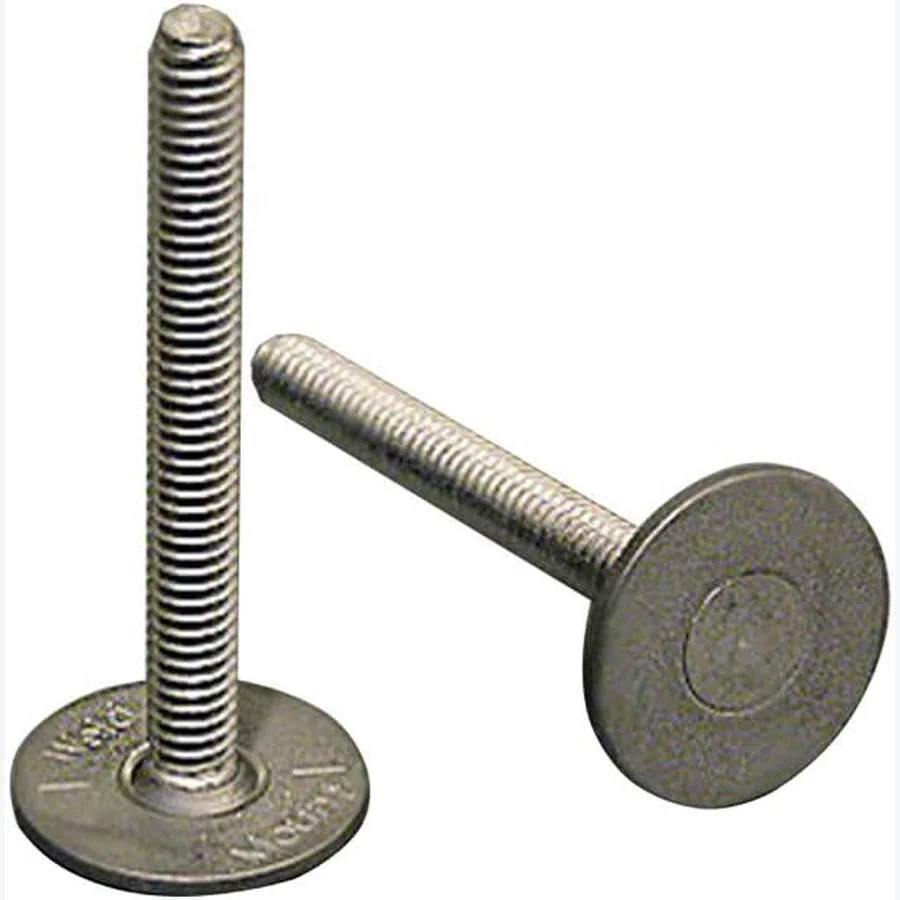
1.5" Stainless Stud
Taller 1.5-inch stud for deeper standoff when panels need clearance behind the bond pad.
Check Price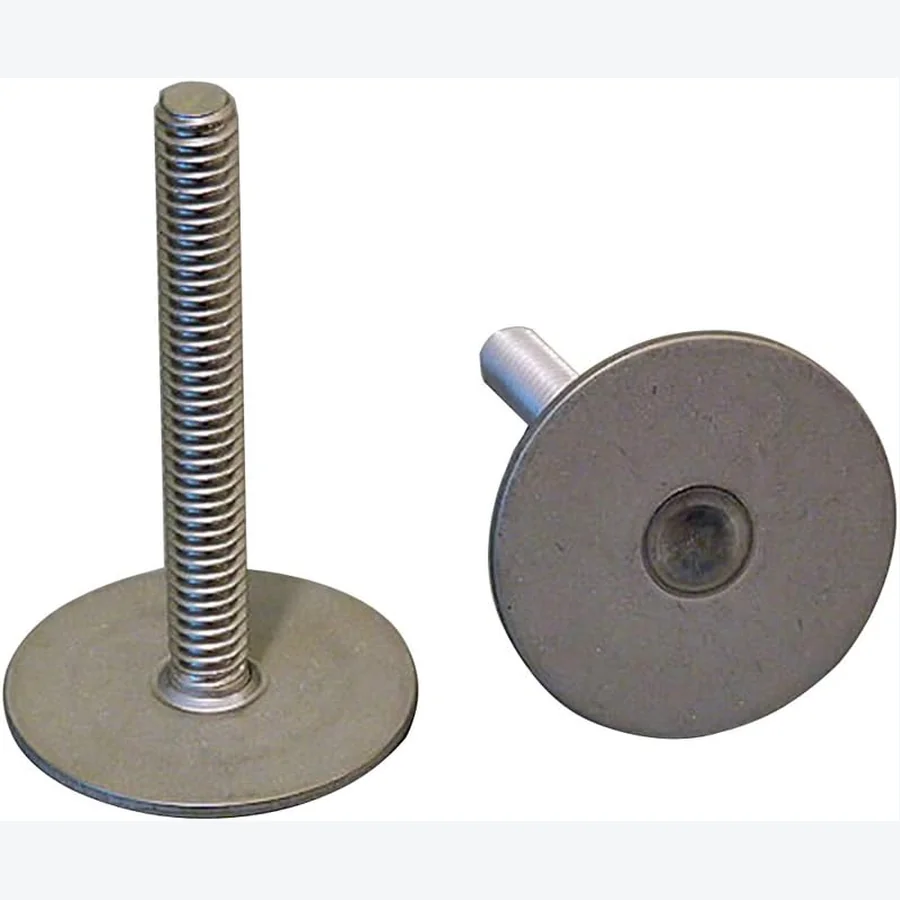
1.5" Stud 1/4-20
Ten 1.5-inch studs with 1/4-20 threads for equipment brackets on composite panels.
Check PriceProduct lineup
Stud product lineup
Five stud families covering corrosion resistance, threads and starter assortments.
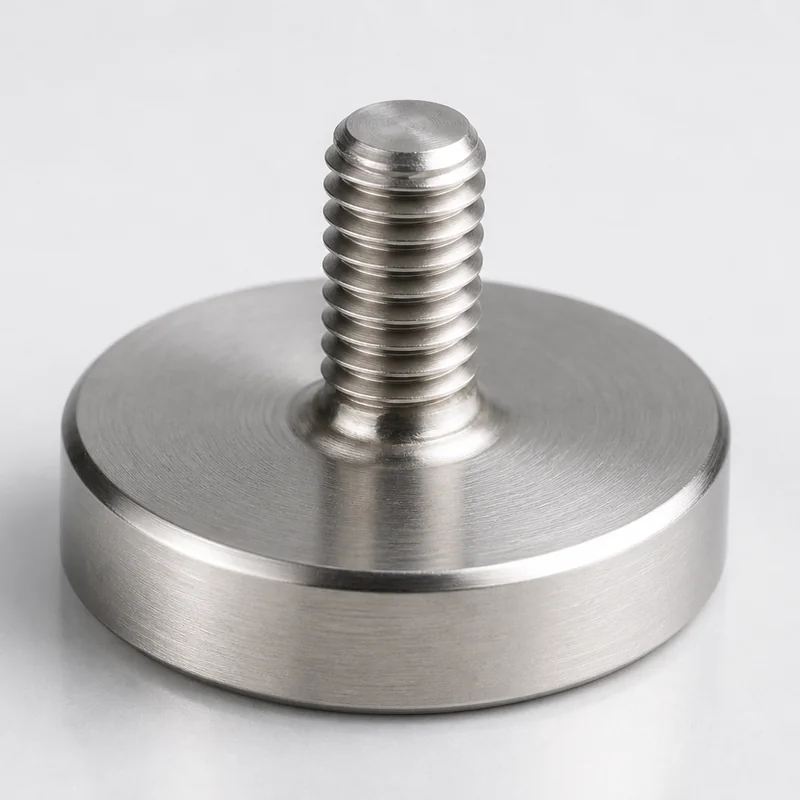
Stainless Base Stud
316-grade stud with large bonding pad for corrosive marine and food-service environments.
View Details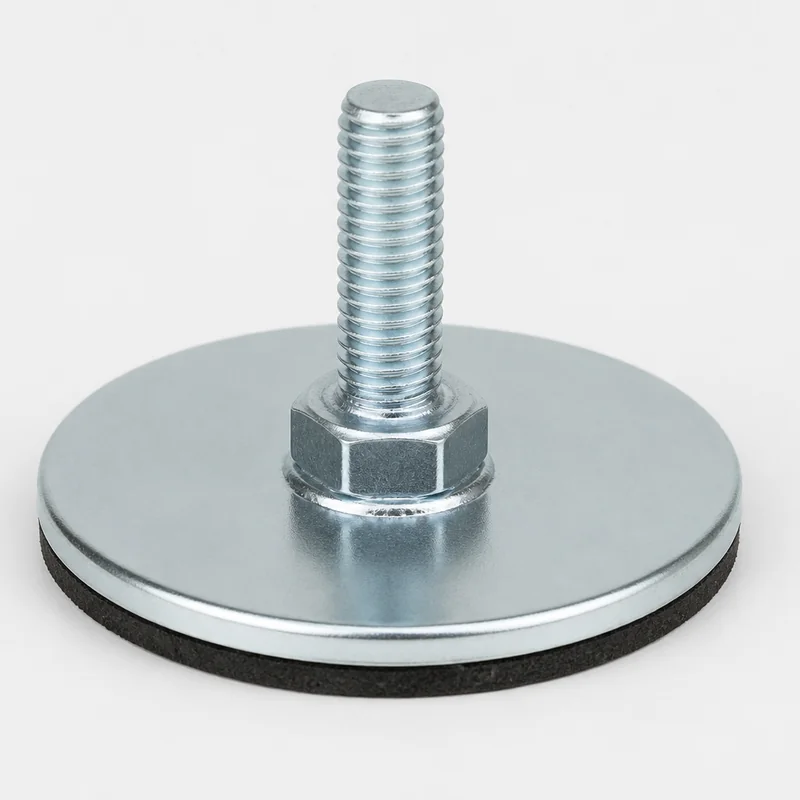
Threaded Mount Stud
Standard UNC threads for panels where through-bolts would weaken composite skins.
View Details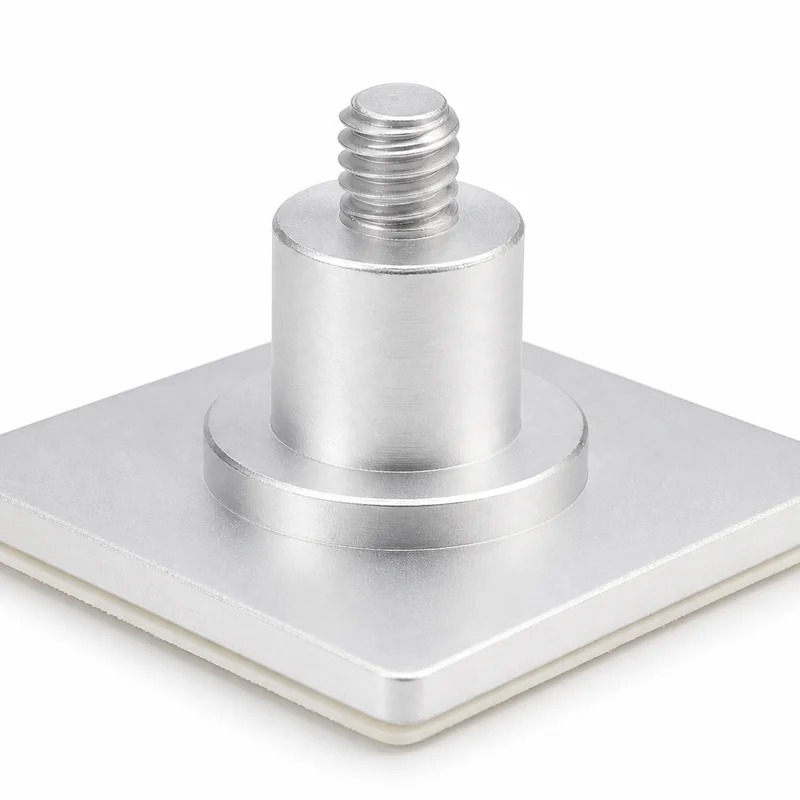
Aluminum Alloy Stud
Weight-saving stud for aluminum superstructures and carbon fiber interior modules.
View Details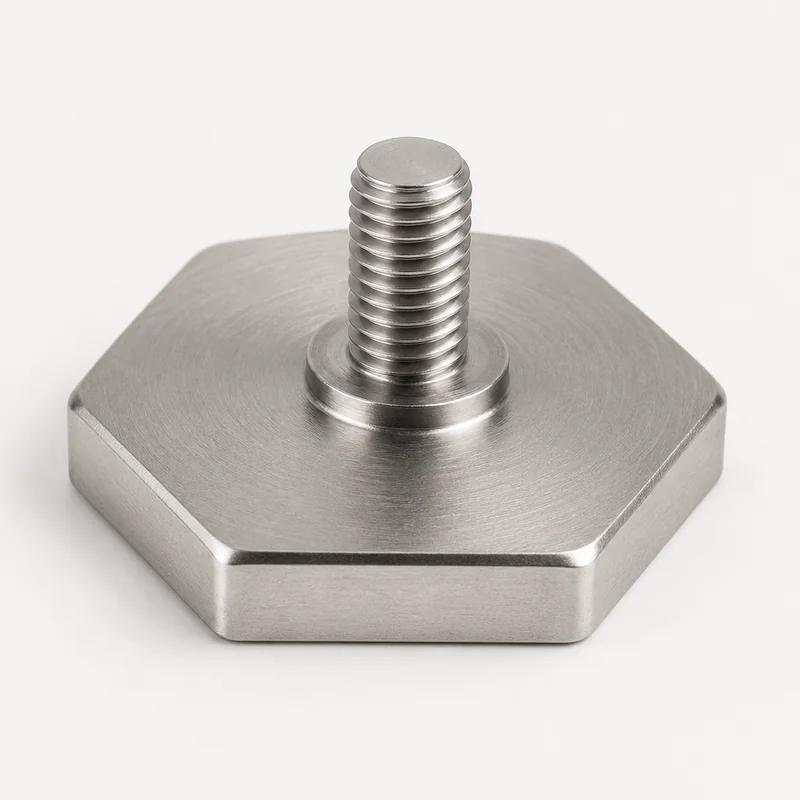
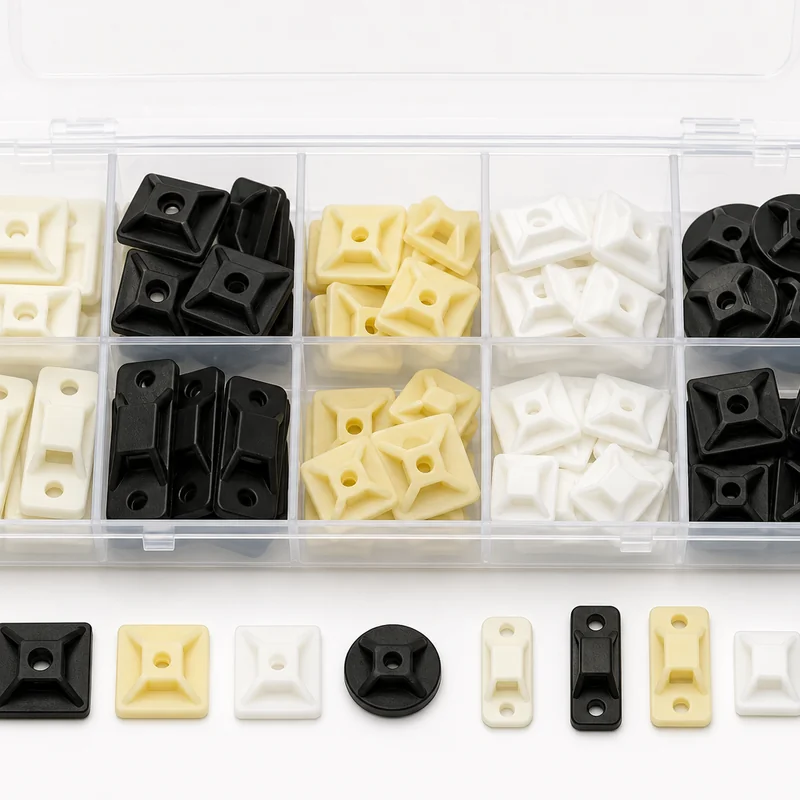
Mini Stud Starter Kit
Mixed thread sizes for first-time installers learning pad layout and cure timing.
View DetailsStud load basics
Adhesive studs carry highest load in shear on a large pad. Tension and peel demand larger footprints or additional mechanical backup—size hardware to real direction of force.
Thread engagement length matters. Deep threads into brackets do not compensate for undersized bonding pads on flexible skins.
Stainless selections
316 stainless bases resist salt and chemical splash in marine engine rooms and food-adjacent equipment. Match fasteners to avoid galvanic pairs on aluminum superstructures.
Stainless pads cost more upfront but reduce replacement cycles when washdowns are daily.
Aluminum stud benefits
Aluminum alloy studs lighten assemblies on aluminum decks and carbon interior modules. Abrade and prime per adhesive data when bonding dissimilar metals.
Use aluminum where magnetic interference or weight budgets exclude steel hardware.
Threaded mount studs
Standard UNC threads accept common brackets, clamps and electrical standoffs. Layout templates help keep parallel rows aligned before adhesive sets.
Mask threads with tape during bonding to keep stray adhesive from locking nuts prematurely.
Hex base alignment
Hex flanges accept wrenches for fine rotation during fixture window. Useful when bracket holes must clock a specific degree relative to pad orientation.
Do not overtighten against pad—rotation should position threads, not compress adhesive out of the bond line.
Mini starter kits
Mixed thread mini kits let new installers practice spacing and cure timing on scrap before production panels. Treat kits as training stock, not permanent structure.
Include mini studs in tool crib inventory so outage crews can patch small tabs without opening full case quantities.
Layout and spacing
Mark pad centers with templates or laser projections. Once adhesive dispenses, repositioning risks starved edges—measure twice, bond once.
Keep minimum edge distance from panel corners per engineering guidance; thin fiberglass cracks when pads sit too close to free edges.
Marine install tips
Overhead studs need support until fixture time passes. Use tape or fixtures that contact pad perimeter, not threaded ends that can cock the stud.
Route wiring away from fresh bonds in engine rooms—oil mist contaminates uncured acrylic quickly.
Automotive fitment
Low-profile pads fit behind trim when depth is limited. Verify panel rebound after door slams does not overload studs near speaker cutouts.
Heat from parked sun loads accelerates cure on dark exterior panels—shorten working batches in summer installs.
Inspection routines
After full cure, torque-check a sample stud per batch with a thread gauge—not full bracket load—to confirm adhesive did not wick into threads.
Annual walkdowns on boats should include visual fillet checks for cracking or lift at pad edges.
Removal and rework
Removing failed studs requires cutting flush and sanding residual adhesive without gouging substrate. Rebuild surface profile before rebonding.
Never stack new pads atop old adhesive lumps—flatness drives uniform squeeze-out.
Pairing with adhesive
Match WM-220 with vibration-prone machinery mounts; WM-150 suits static brackets on cabin interiors. Consult adhesive page for prep and cure details.
See the acrylic adhesive guide for primer and accelerator pairing notes.
Torque and loading
Apply torque gradually after full cure using a calibrated driver. Snug fasteners, wait, then final torque per bracket spec—sudden spikes can micro-shift uncured pads.
For dynamic loads, spread fasteners across multiple studs rather than maximizing torque on a single bonded point.
Document torque values on work orders so future service techs do not assume mechanical anchors and over-tighten bonded hardware.
When brackets require periodic removal, use threadlocker sparingly on studs so service cycles do not exceed adhesive peel limits.
Marcus Brennan covers marine and industrial adhesive fastening for Weld Mount. This guide is editorial and independent.