
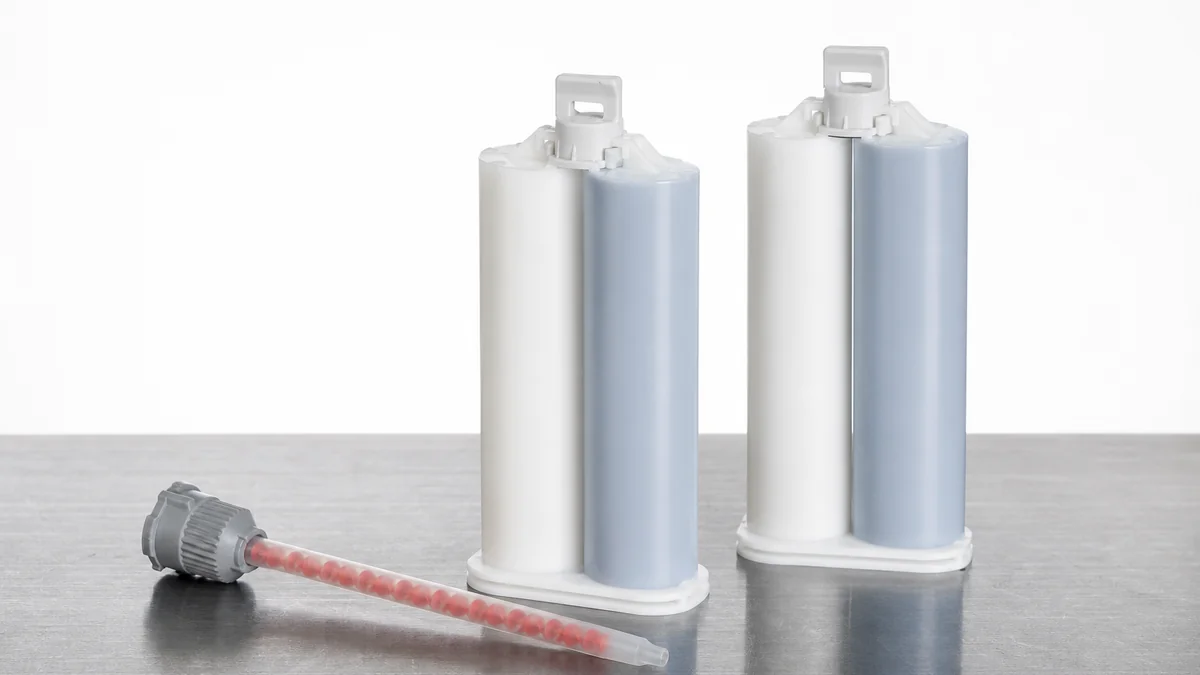
Acrylic Adhesive Guide
Two-part structural acrylic formulas engineered for bonded studs and mounts on metals and composites.
Best sellers
Top Weld Mount Adhesives
Cartridges, bulk cases and mixing tips for consistent two-part acrylic bonds on deck and in the shop.
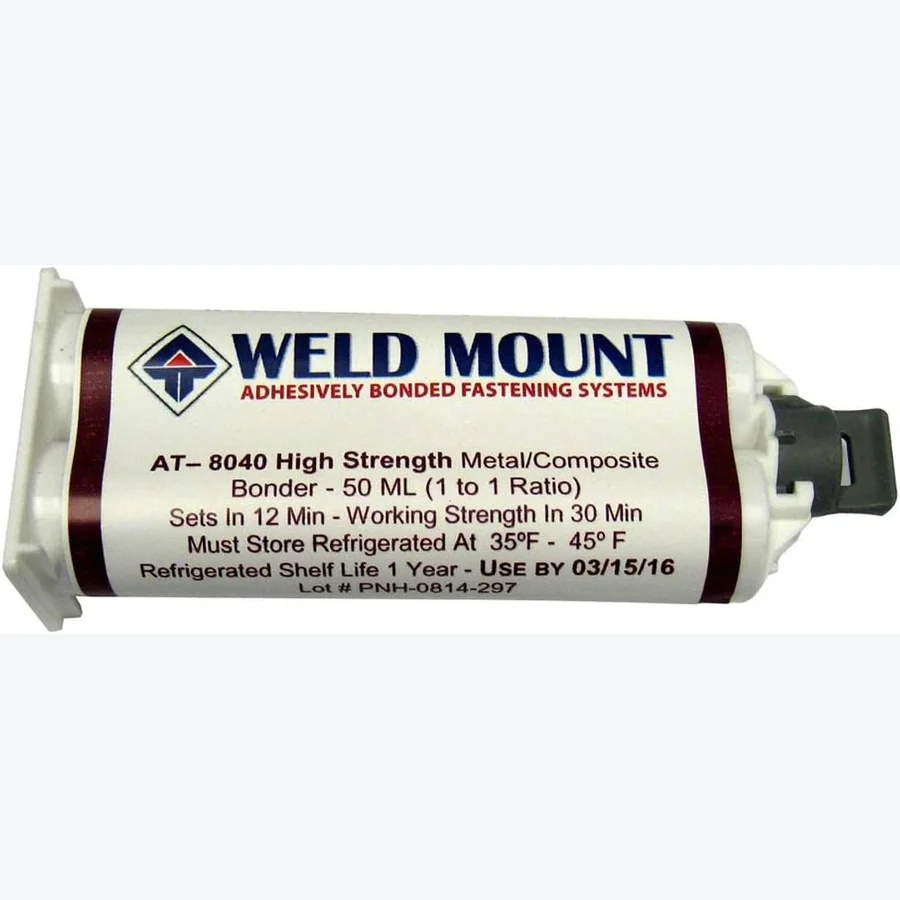
AT-8040 Acrylic Adhesive
Non-sag two-part acrylic that holds studs and mounts on vertical surfaces while it cures to high shear strength.
Check Price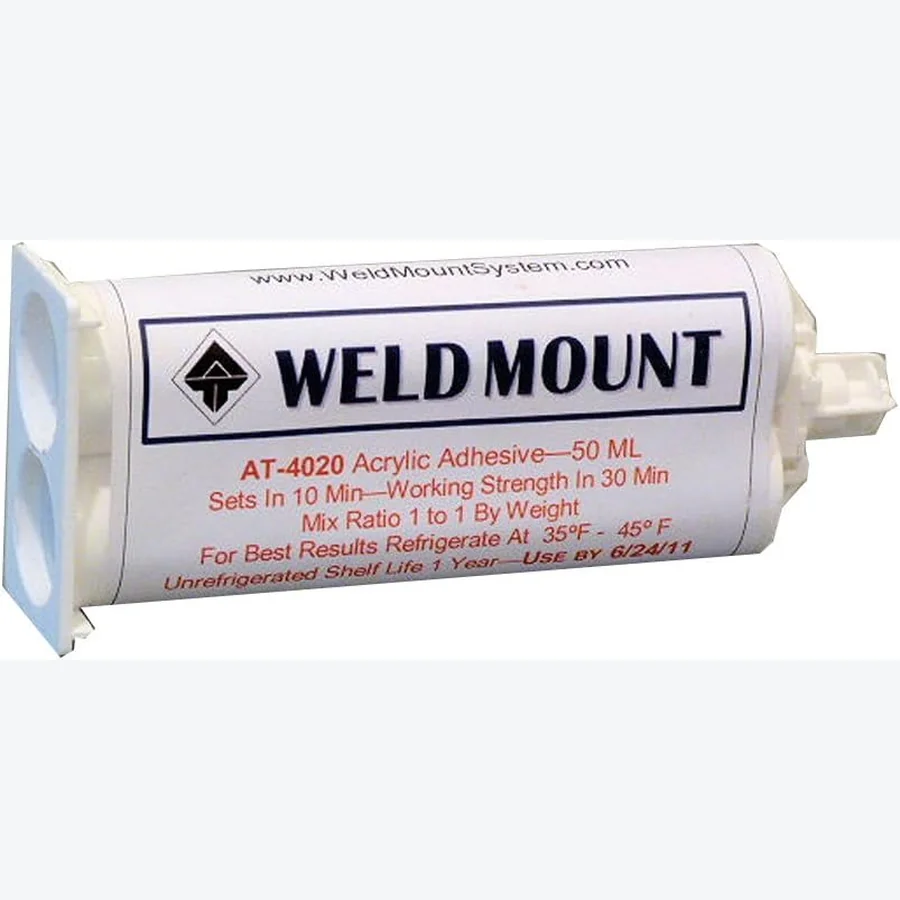
AT-4020 Acrylic Adhesive
Compact cartridge formula for smaller bonds and tight-area dispensing with static mix nozzles.
Check Price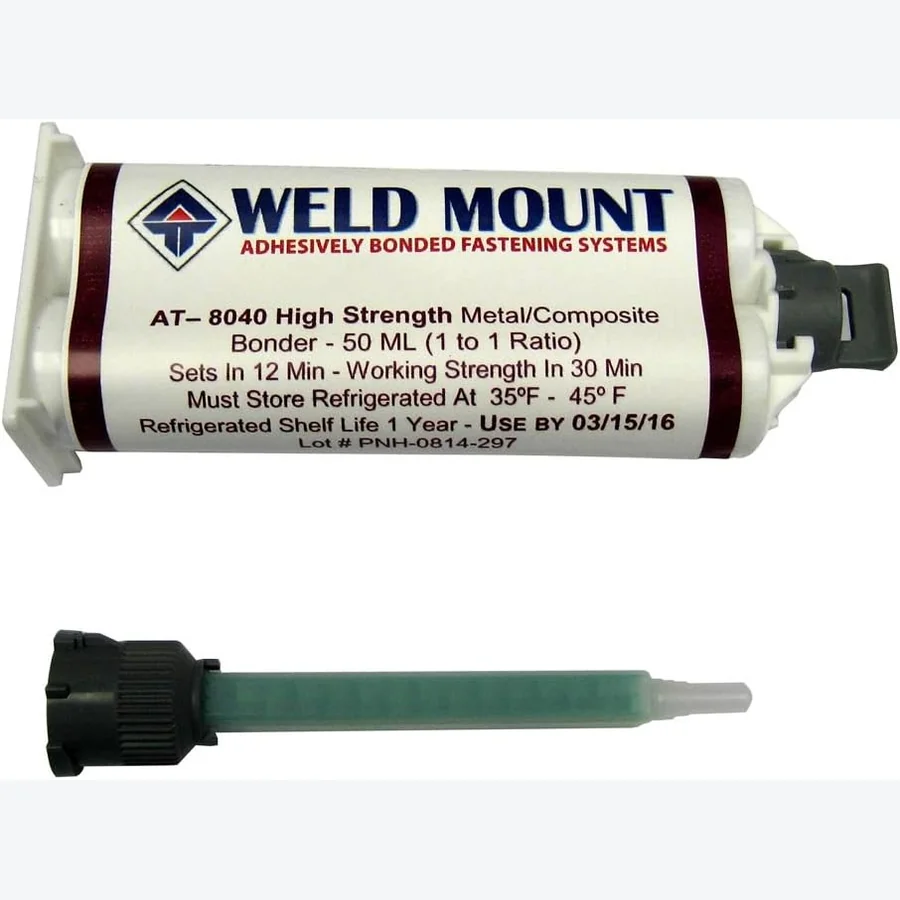
AT-804010 Adhesive Case
Ten-pack case of AT-8040 cartridges for yards stocking adhesive across multiple install crews.
Check Price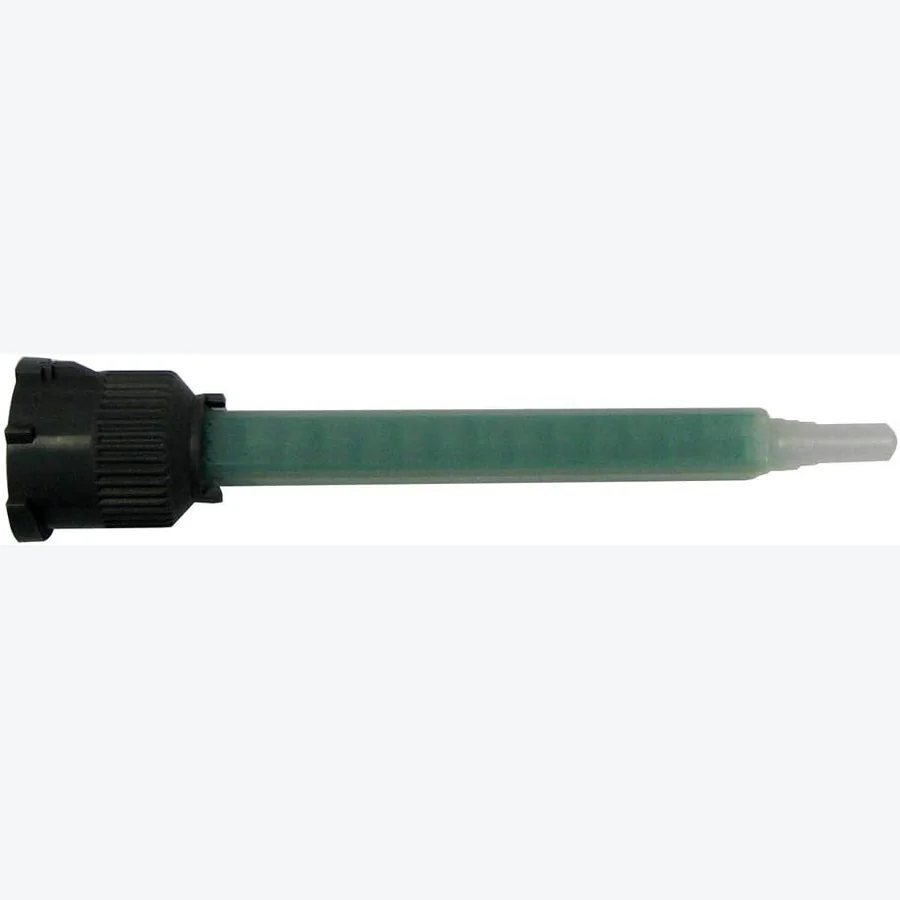
AT-850 Mixing Tips
Square static mix tips sized for AT-8040 cartridges to keep ratio consistent on every bead.
Check PriceProduct lineup
Adhesive product lineup
Six core consumables covering structural cartridges, prep, mixing and cure control.
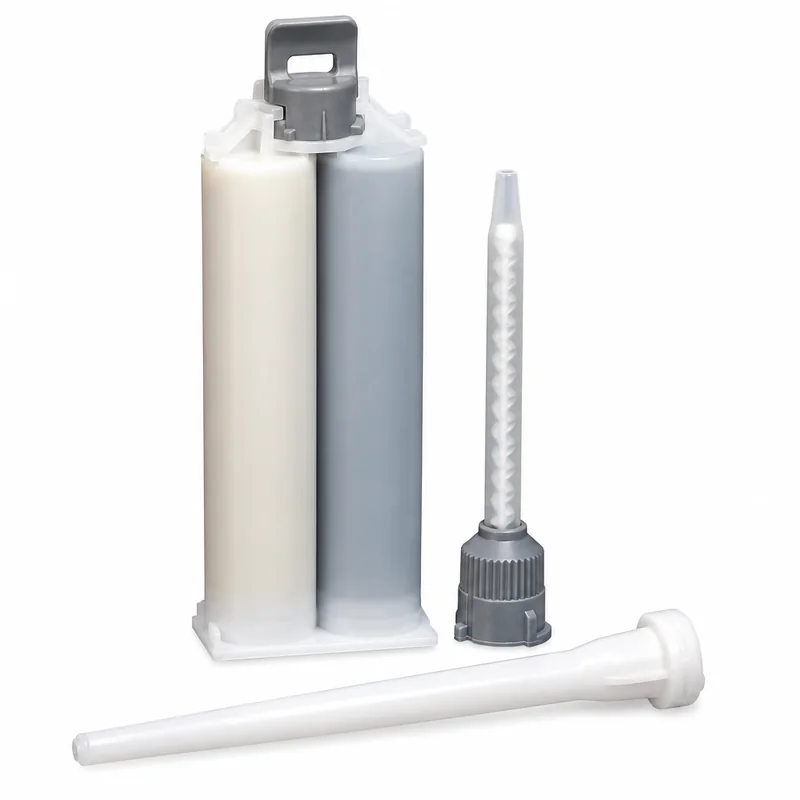
WM-150 Acrylic Adhesive
Medium-viscosity two-part acrylic for steel, aluminum and fiberglass bonds in marine and industrial service.
View Details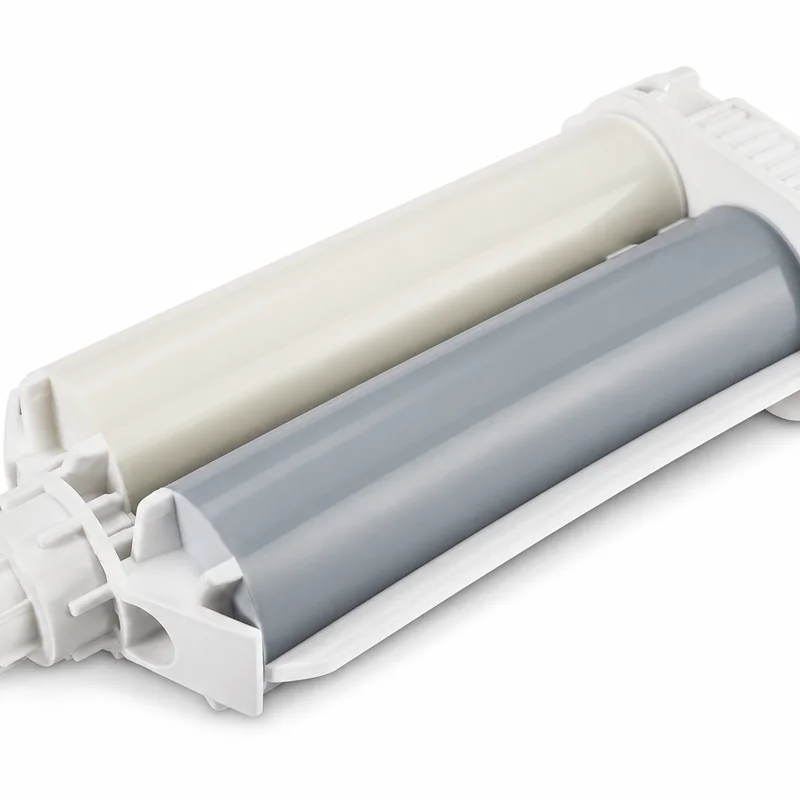
WM-220 Heavy Duty Adhesive
Higher gap-fill formula rated for vibration loads on decks, hulls and equipment skids.
View Details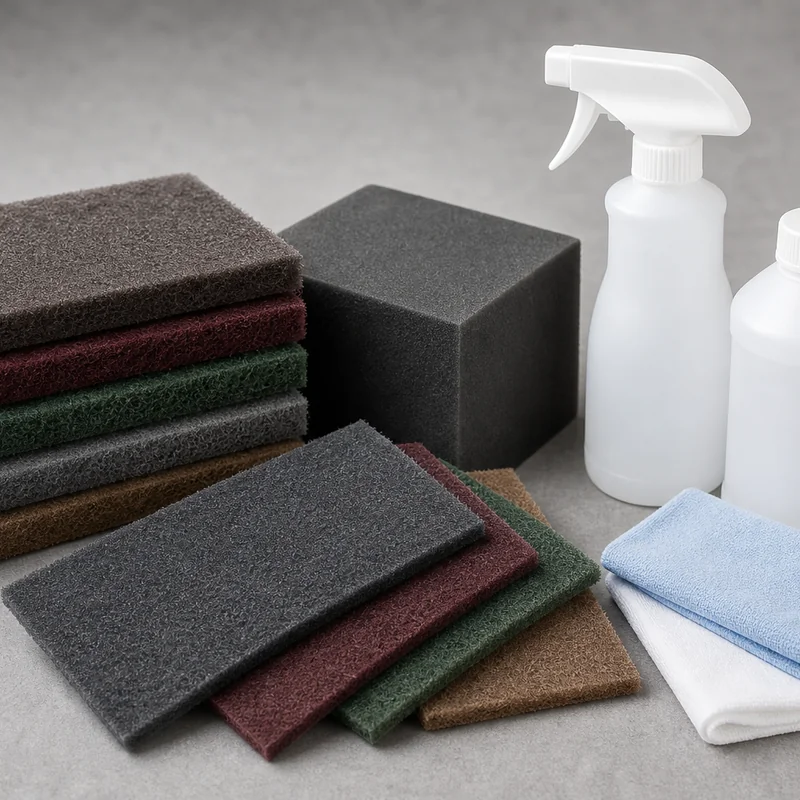
Surface Prep Kit
Solvent wipes and abrasive pads sized for oil-free bonding on painted or bare metal.
View Details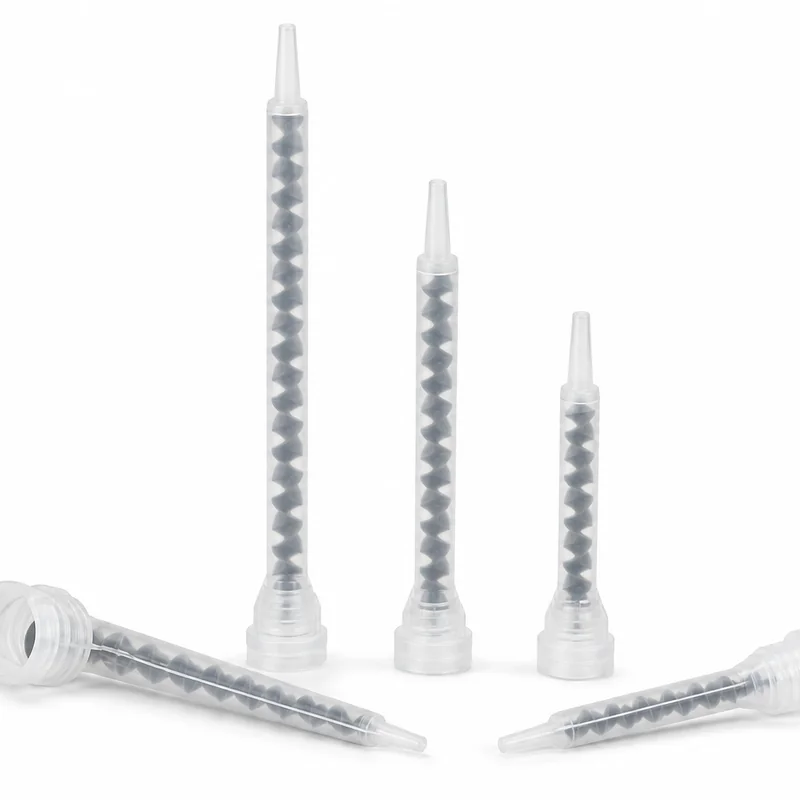
Mixing Nozzle Set
Replaceable static mix tips that deliver consistent 1:1 ratio without hand mixing.
View Details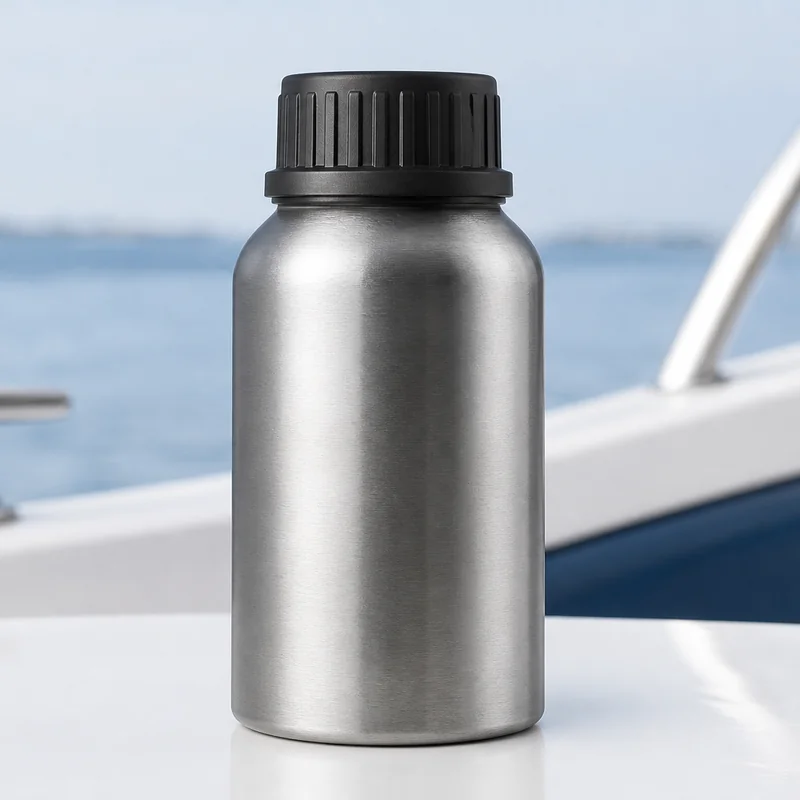
Bond Primer
Promotes adhesion on low-energy plastics and aged gelcoat where acrylic alone struggles.
View Details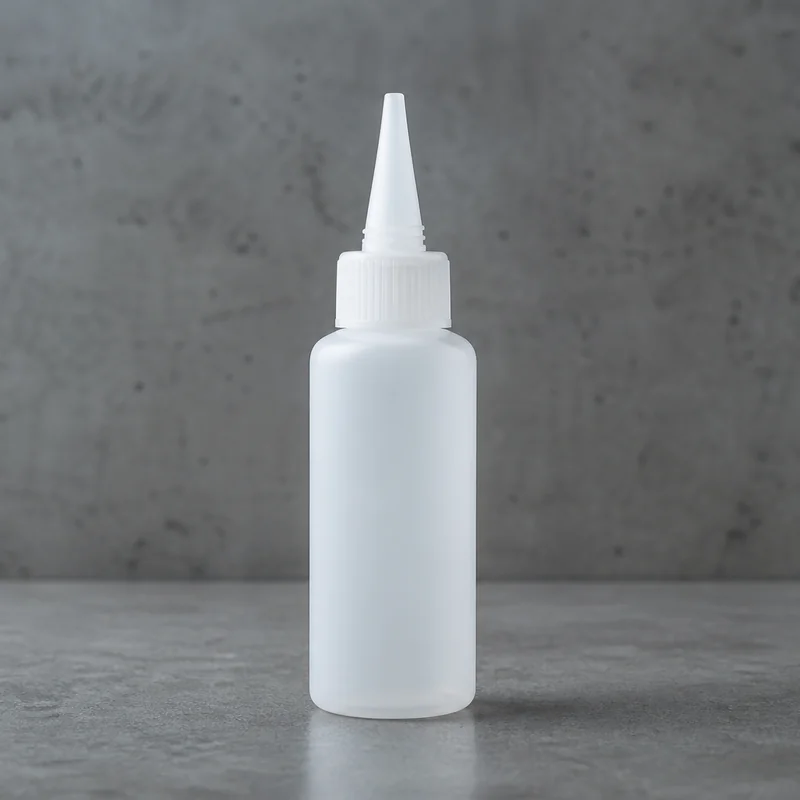
Cure Accelerator
Speeds fixture time in cold shops or when production schedules demand faster handling.
View DetailsWhy acrylic works
Structural acrylics cure rigid with high shear strength on prepared metals and fiberglass. Unlike single-part tapes, two-part chemistry crosslinks through the full bead thickness for sustained load.
Weld Mount cartridges meter 1:1 ratio through static mix nozzles so field mixes match lab coupons when prep stays consistent.
WM-150 vs WM-220
WM-150 suits general stud and mount work with moderate gaps on flat to lightly curved surfaces. WM-220 adds gap fill and vibration tolerance for machinery skids and engine-room equipment.
Choose WM-220 when panels flex or when you must bridge minor surface texture without sanding perfectly flat.
Surface preparation
Remove wax, mold release and hydraulic oils with approved wipes. Abrade glossy gelcoat until uniformly dull—shine means the bond line still sits on release agents.
The surface prep kit bundles abrasives and solvent wipes sized for typical stud footprints so crews do not improvise with shop rags that leave lint.
Primers and accelerators
Bond primer activates difficult plastics and aged coatings. Apply thin, allow flash time, then bond within the window printed on the label.
Accelerators shorten fixture time in cold seasons but can reduce working time in hot ambient temps—test on scrap before production batches.
Mixing and dispensing
Always use a fresh nozzle per cartridge pair once mixing begins. Partially cured material inside a reused nozzle throws ratio off and weakens joints.
Dispense until color streaks disappear before placing hardware. Starved beads that look gray or striped indicate incomplete mix.
Cure and handling
Fixture time lets you release clamps; full strength develops over hours. Do not load threads until the published cure interval passes at your shop temperature.
Record ambient temperature on each job card. Cold garages need longer cures even when accelerators are present.
Marine considerations
Salt exposure punishes poor prep more than adhesive choice. Rinse dust after sanding, dry thoroughly, and bond before condensing humidity returns on chilled hulls.
Overhead installs on deckheads need temporary support until fixture time elapses—gravity works against fillet formation.
Automotive applications
Interior panels and service-body racks benefit from odor-controlled workflows. Ventilate cabins during cure and keep adhesive off visible show surfaces.
Aluminum bodies require dedicated abrading to break oxide skin; primer may be required on anodized trim depending on lot age.
Industrial maintenance
Outage windows favor fast fixture with accelerators when equipment must return before full cure. Derate loads until complete strength is verified.
Stock mixed nozzles and cartridges near the line but away from heat sources that prematurely gel resin in static mix tips.
Quality checks
Peel tests on sacrificial coupons validate prep changes when suppliers rotate gelcoat or metal lot. Five minutes of testing prevents rework.
Photograph each pad after fixture with a scale reference. Audit trails help when questions arise seasons later.
Storage and shelf life
Store cartridges cool and upright. Stiffening pistons signal age—replace rather than forcing uneven extrusion that starves bonds.
Label open dates on partial kits and discard material that strings instead of snapping clean when mixed.
Common mistakes
Bonding over uncured paint, skipping abrade on gelcoat, and reusing nozzles top the failure list—not insufficient clamp pressure alone.
Loading threads during fixture window can creep studs before adhesive sets. Wait for handling strength before torque.
Marcus Brennan covers marine and industrial adhesive fastening for Weld Mount. This guide is editorial and independent.