
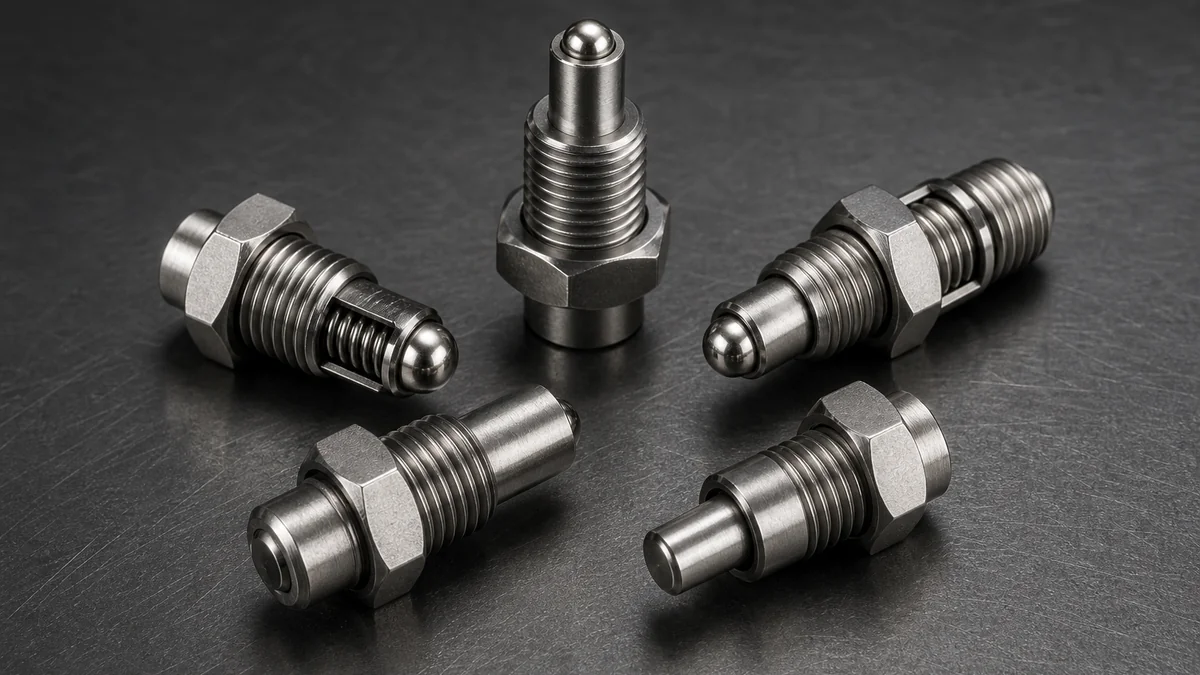
Spring Plunger Mounts
Bonded spring plungers for removable panels that must index cleanly without extra holes.
Best sellers
Panel Indexing Hardware
Bonded stainless studs used to locate removable panels with repeatable alignment.
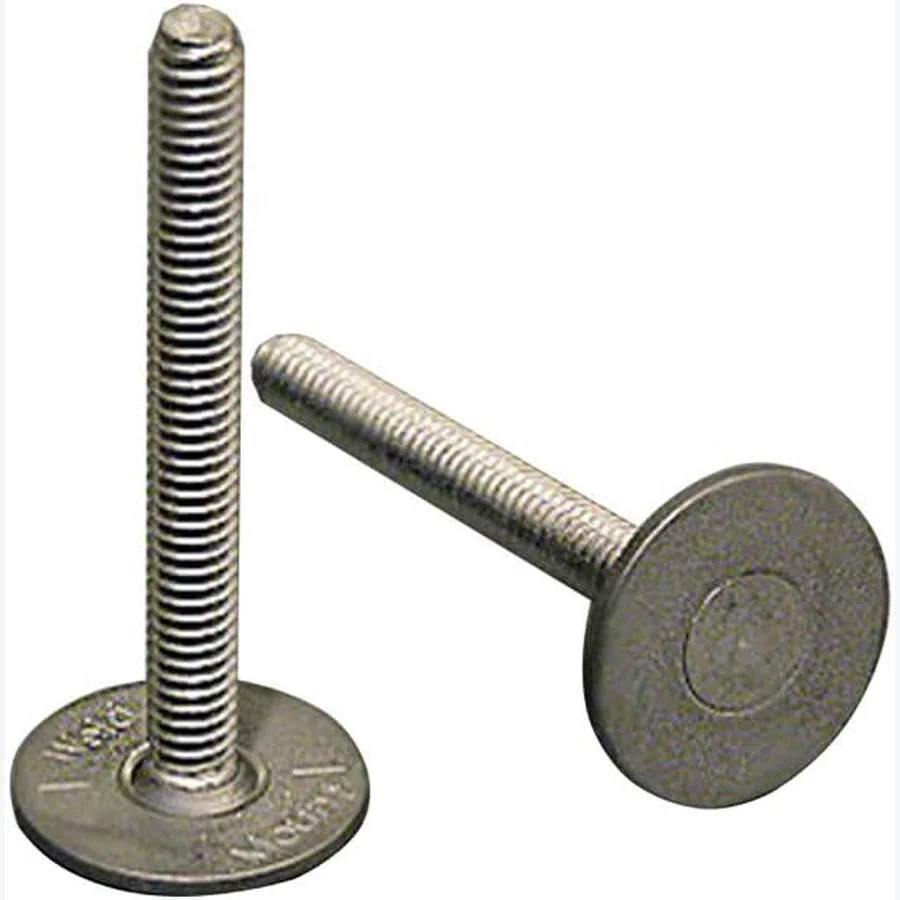
1.5" Stainless Stud
Taller 1.5-inch stud for deeper standoff when panels need clearance behind the bond pad.
Check Price
1" Stainless Stud
One-inch stainless stud with #8 threads for interior panels and trim hardware.
Check Price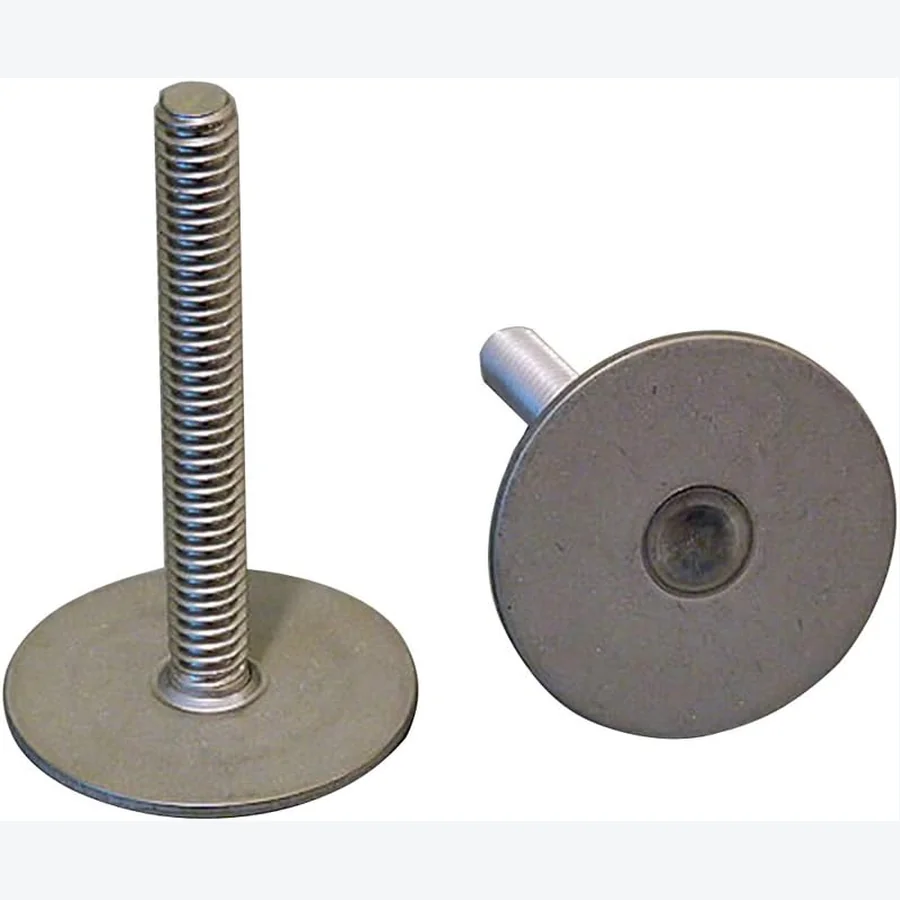
1.5" Stud 1/4-20
Ten 1.5-inch studs with 1/4-20 threads for equipment brackets on composite panels.
Check Price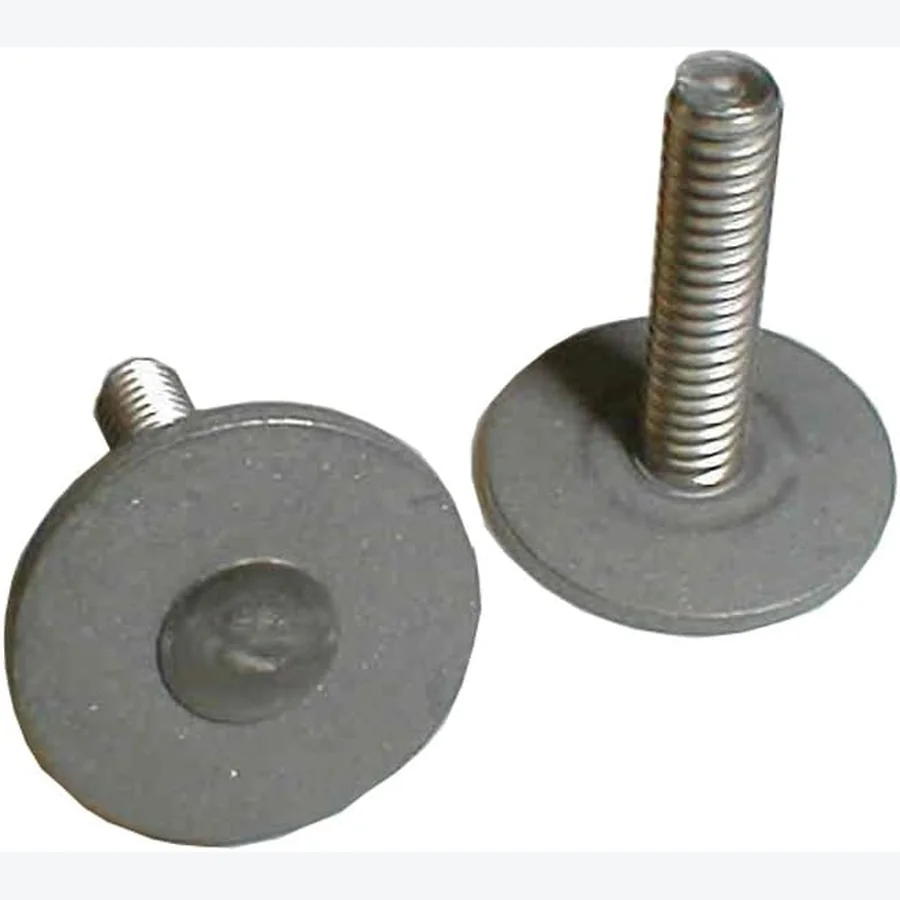
0.75" Stainless Stud
Short stainless panel stud with a wide base plate for wire clamps and light brackets.
Check PriceProduct lineup
Plunger product lineup
Four plunger styles from light detents to heavy-duty enclosure indexing.
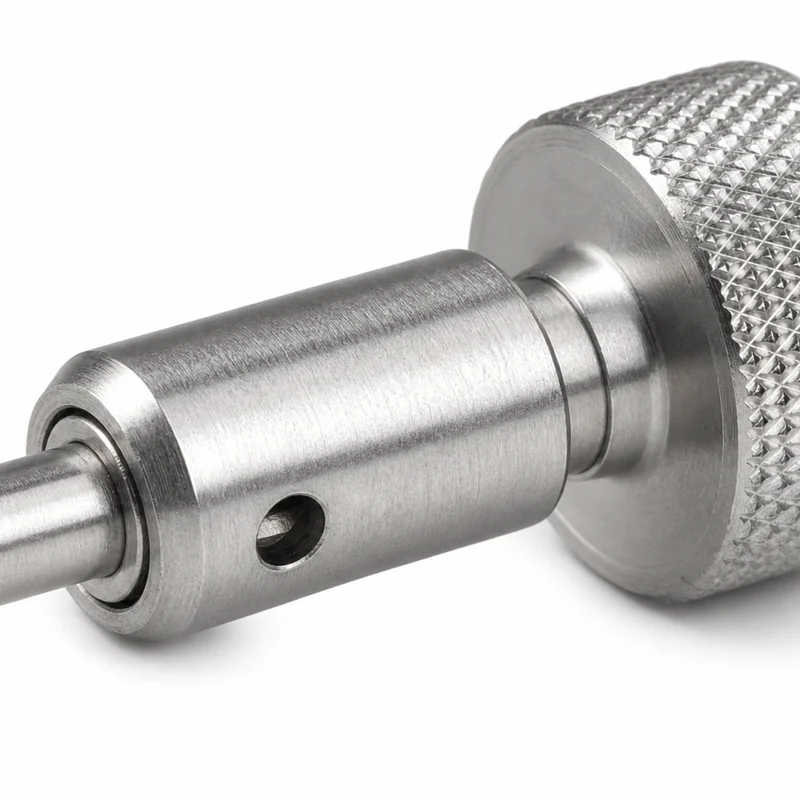
Retractable Plunger
Spring-loaded pin for removable panels that must index without permanent fasteners.
View Details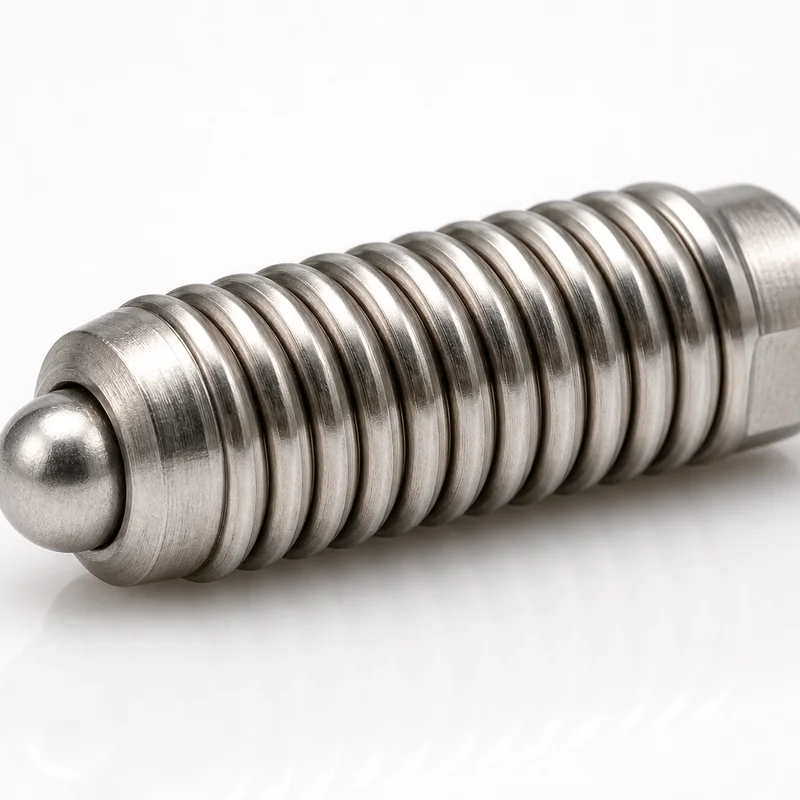
Ball Detent Plunger
Positive detent feel for access doors and hinged covers on equipment skids.
View Details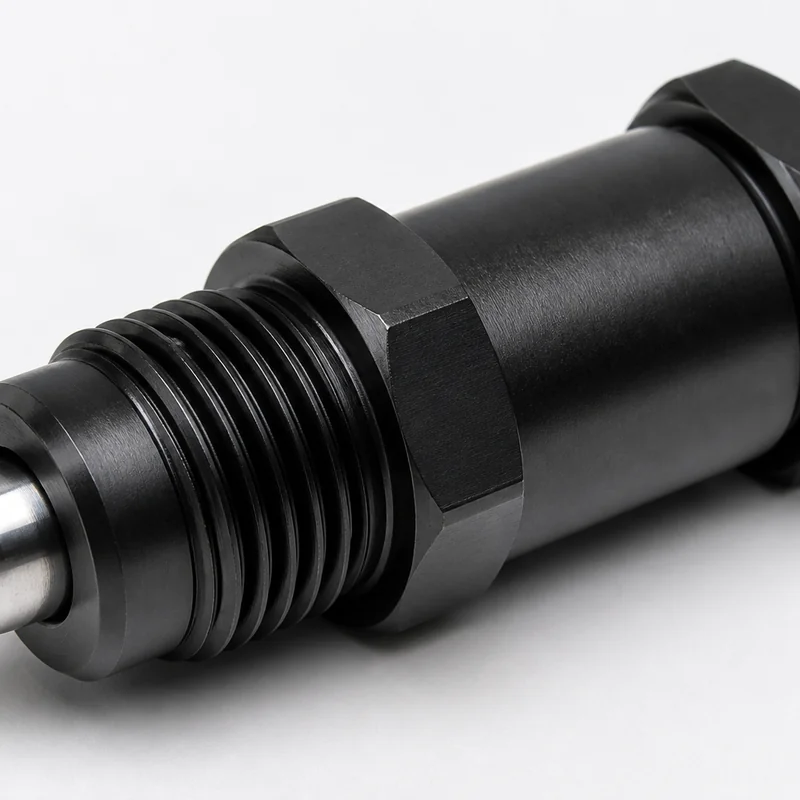
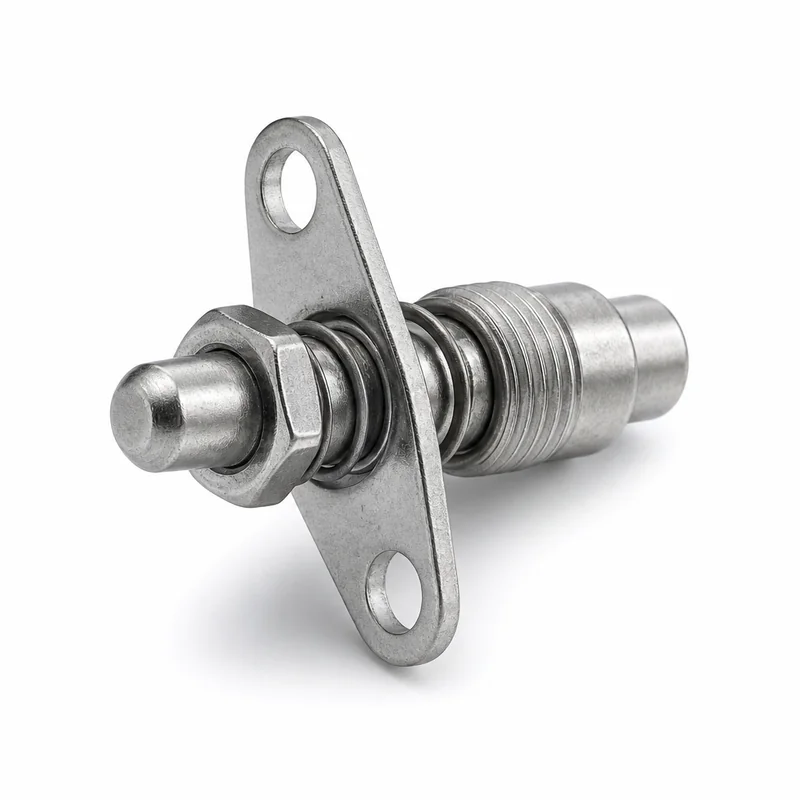
Panel Index Plunger
Low-profile head for tight automotive trim and marine headliner gaps.
View DetailsPlunger use cases
Spring plungers locate removable panels, hatches and trim pieces that must reinstall in the same position every time. Bonded bases avoid through-holes that telegraph on finished surfaces.
They complement latch hardware—not replace positive locking on safety-critical hatches unless engineered as part of a system.
Retractable pin action
Retractable pins compress for panel insertion then spring into detent pockets. Choose stroke length that clears panel edge thickness without bottoming early.
Lubricate mating pockets in metal frames sparingly—excess grease attracts dust that wears detents.
Ball detent feel
Ball detents give tactile feedback valued in machine enclosures and custom automotive consoles. Adjust spring force by selecting heavy-duty variants when panels are large.
Match detent pocket depth to ball diameter for positive stop without rattling on road vibration.
Heavy duty springs
Higher spring force resists opening on rough seas or off-road vibration. Verify bonded pad size can react peel loads from spring tension plus panel mass.
Use multiple plungers on wide panels to share load rather than one oversized spring.
Panel index profiles
Low-profile heads fit tight headliner gaps and marine head doors. Test swing clearance before adhesive cures—profile height is fixed after bond.
Index plungers near hinges so panels pivot predictably into detents.
Layout with latches
Coordinate plunger location with latch pull direction. Misaligned geometry binds panels and loads adhesive in peel every open cycle.
Mock with tape-held pads before final bond to validate swing arc.
Marine hatch notes
Interior access hatches benefit from plungers plus existing dogs for watertight exterior units. Never rely on adhesive-only detents for hull openings exposed to green water.
Rinse salt from plunger heads during washdowns to prevent stainless pitting on spring bodies.
Automotive restomod tips
Custom dash and console panels use plungers for tool-free removal during shows. Hide pads behind overlap edges when possible for clean aesthetics.
Heat from dashboards can accelerate adhesive cure—plan shorter open time on summer installs.
Industrial enclosures
Electrical enclosures with frequent service benefit from detents that hold doors partially open. Specify heavy-duty springs when doors carry heavy latches or filters.
Ground bonded pads on painted steel after abrasion to prevent fillet voids under powdercoat.
Installation discipline
Dispense adhesive, set plunger perpendicular to surface, and fixture until handling strength. Cocked installs bind pins and load edges unevenly.
Protect pin tips from adhesive squeeze-out that can bind retraction.
Wear and service
Detents wear over years of cycles. Inspect for flat spots on balls and replace plungers when retention feels vague.
Keep spare plungers in crib stock—swap is faster than re-engineering panels when feel degrades.
System pairing
Pair plungers with cable mounts and studs from the same adhesive family for consistent cure schedules across an assembly.
Review adhesive prep guidance before mixing plunger installs with heavy machinery studs on the same shift.
Detent geometry tests
Drill or mill pocket trials on scrap frame material before bonding production pads. Depth and diameter changes of a few thousandths alter feel dramatically.
Cycle panels fifty times on mockups to reveal rattles that static fitting misses when shops are noisy.
Seasonal inspection
Check plunger retention each spring on boats that winter outdoors—condensation cycles can wick into pad edges if fillets were thin.
Replace any plunger with visible pin wobble; worn springs load adhesive unevenly and accelerate edge lift.
Log inspection dates on enclosure doors so fleet managers know when detent feel was last verified across multiple vehicles.
Compare left and right panel retention on vehicles—uneven wear often signals misaligned pockets rather than weak adhesive.
Marcus Brennan covers marine and industrial adhesive fastening for Weld Mount. This guide is editorial and independent.