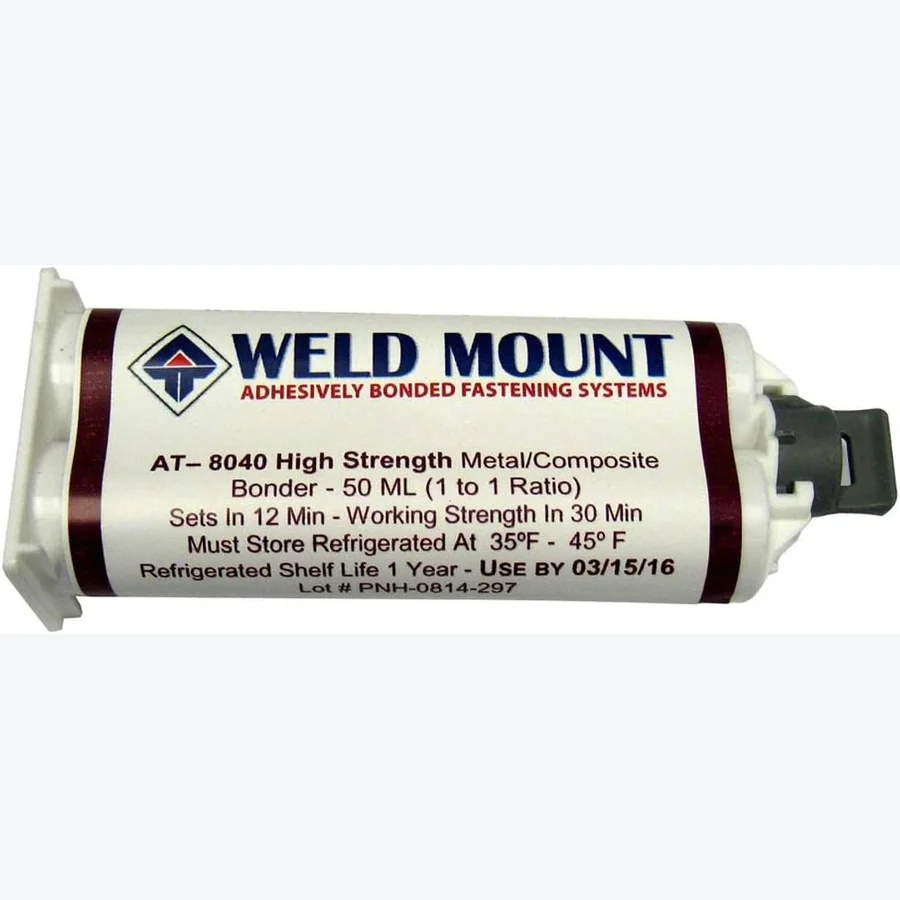
AT-8040 Acrylic Adhesive
Non-sag two-part acrylic that holds studs and mounts on vertical surfaces while it cures to high shear strength.
Check Price
Weld Mount specializes in adhesively bonded fastening: specialty fittings paired with two-part acrylic adhesive for marine, automotive and industrial assemblies. Install studs, cable mounts and spring plungers on steel, aluminum, fiberglass, carbon fiber and wood while keeping substrates sealed.
This guide explains how acrylic chemistry, surface prep and hardware geometry work together. Compare adhesive grades, stud families and dispensing tools before your next deck, hull or cabin project.
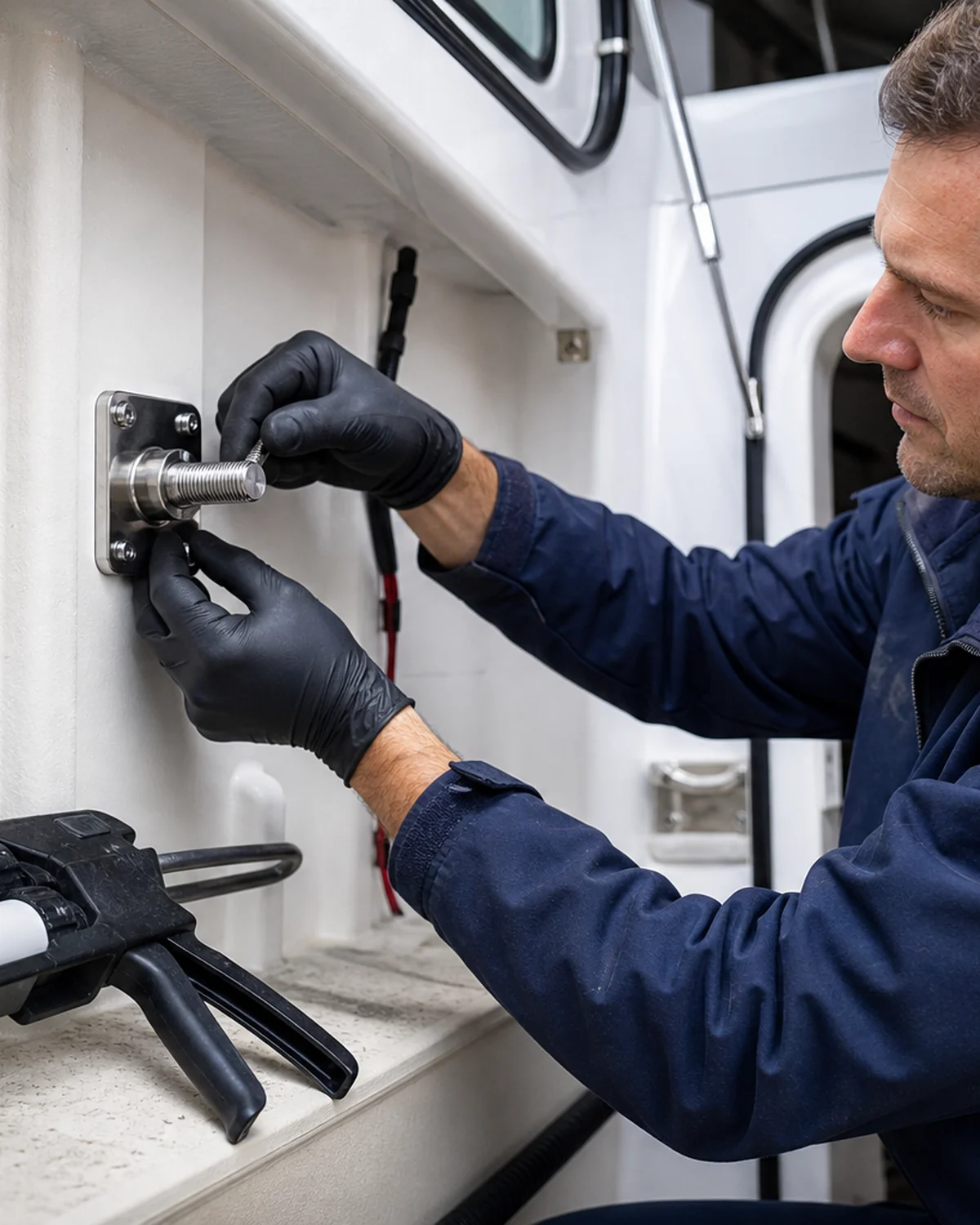
Structural acrylic
High shear strength
Best sellers
Four Weld Mount staples installers reorder—structural adhesive, bonded studs, cable mounts and a dispensing gun.
Non-sag two-part acrylic that holds studs and mounts on vertical surfaces while it cures to high shear strength.
Check Price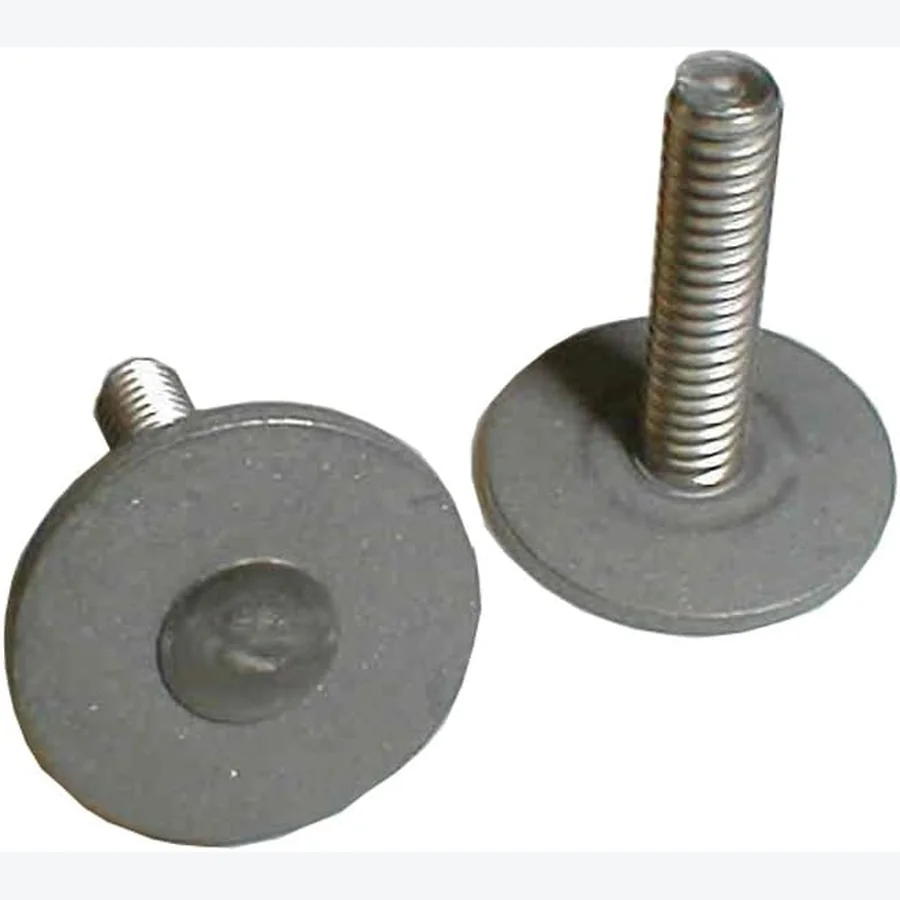
Short stainless panel stud with a wide base plate for wire clamps and light brackets.
Check Price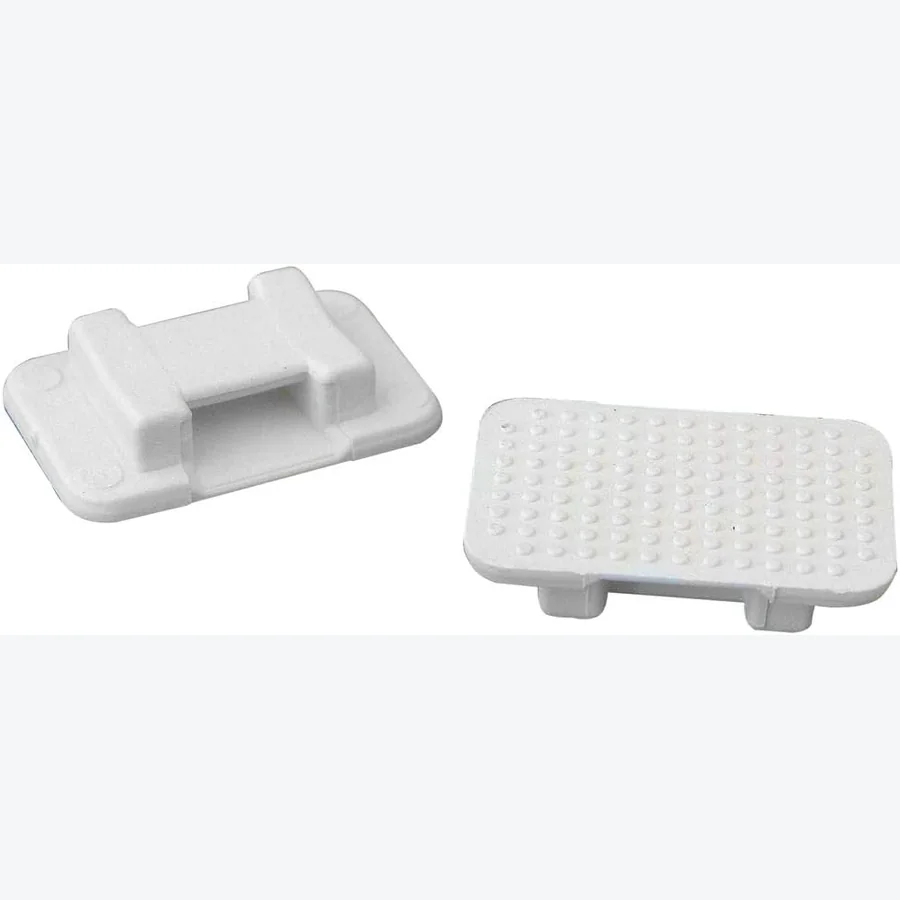
Fifty large white nylon tie mounts rated for substantial pull on fiberglass and metal.
Check Price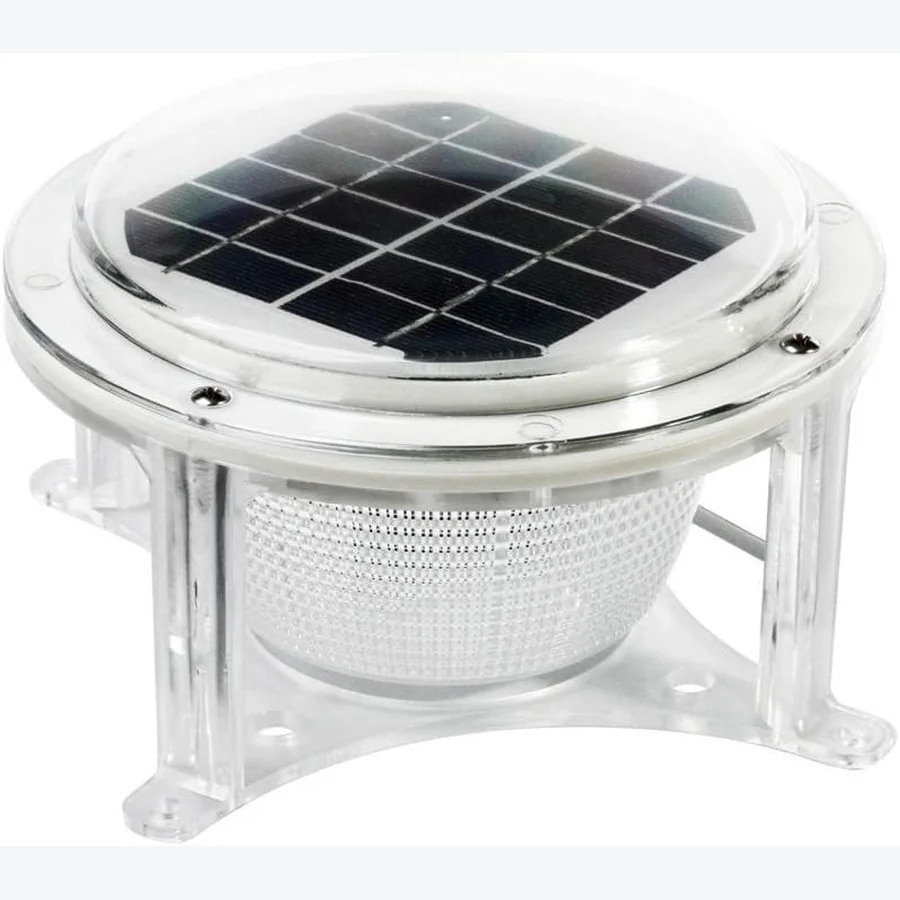
Manual AT-301 gun with plunger for controlled extrusion of cartridge adhesives.
Check PriceProduct families
Start with adhesive and studs, then add cable routing, panel indexing or dispensing tools matched to your shop.
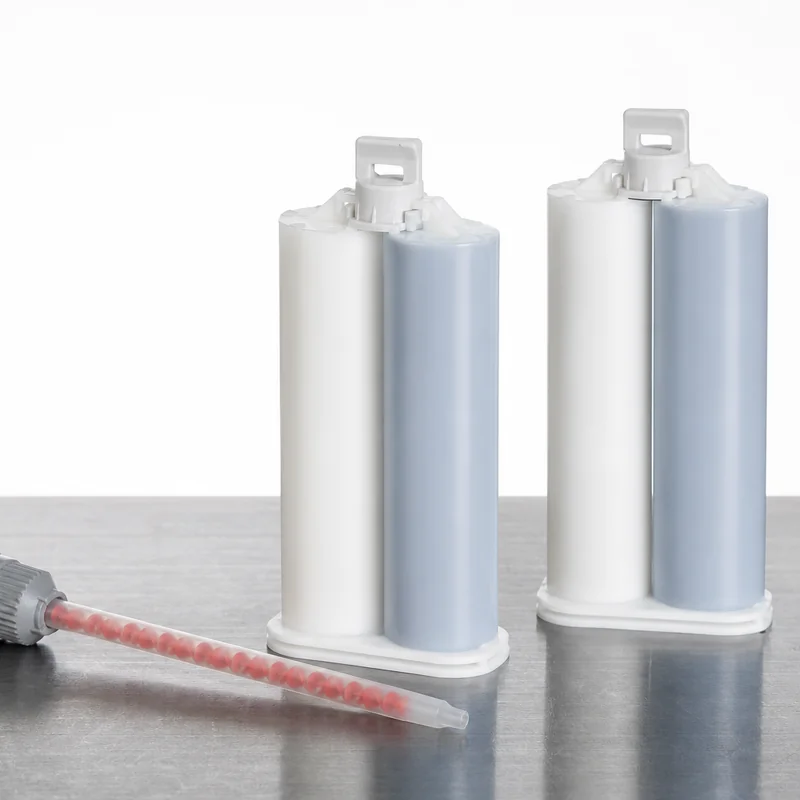
Two-part acrylic cartridges, primers and accelerators.
Learn more →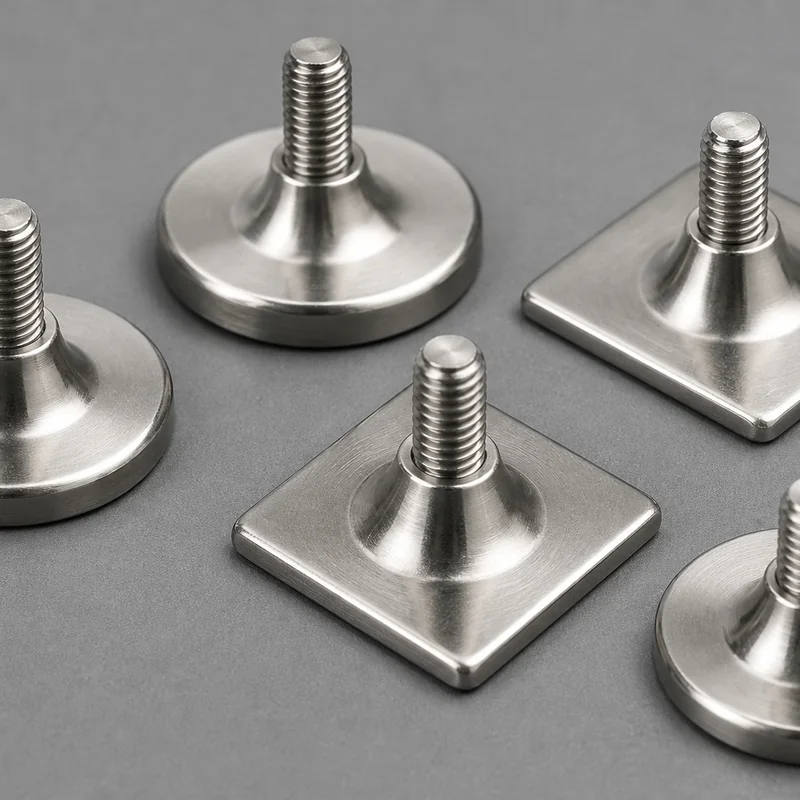
Bonded studs for panels and equipment.
Learn more →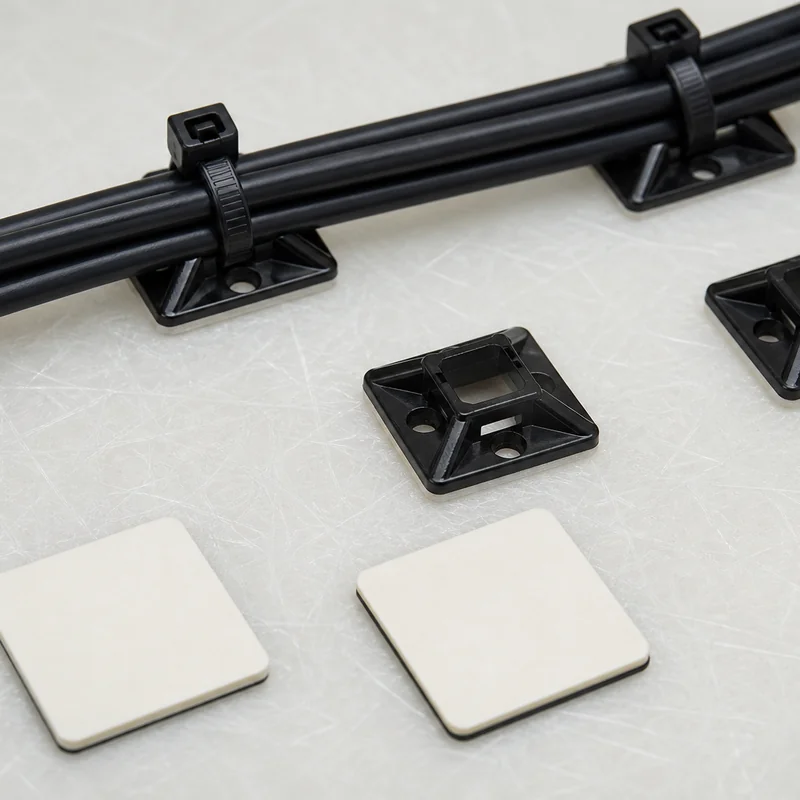
Route harnesses without drilling.
Learn more →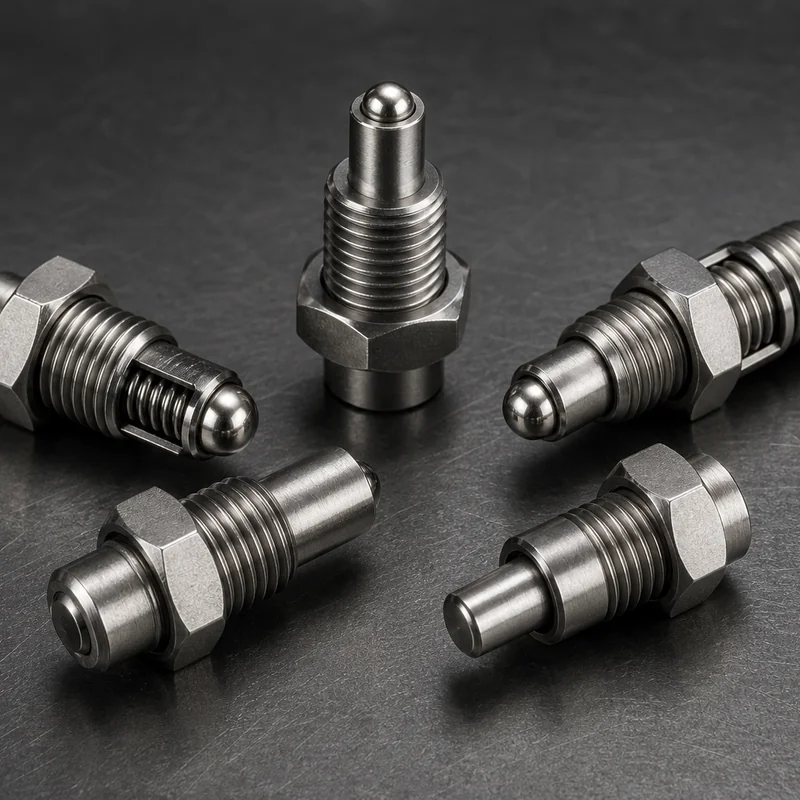
Index panels with bonded plungers.
Learn more →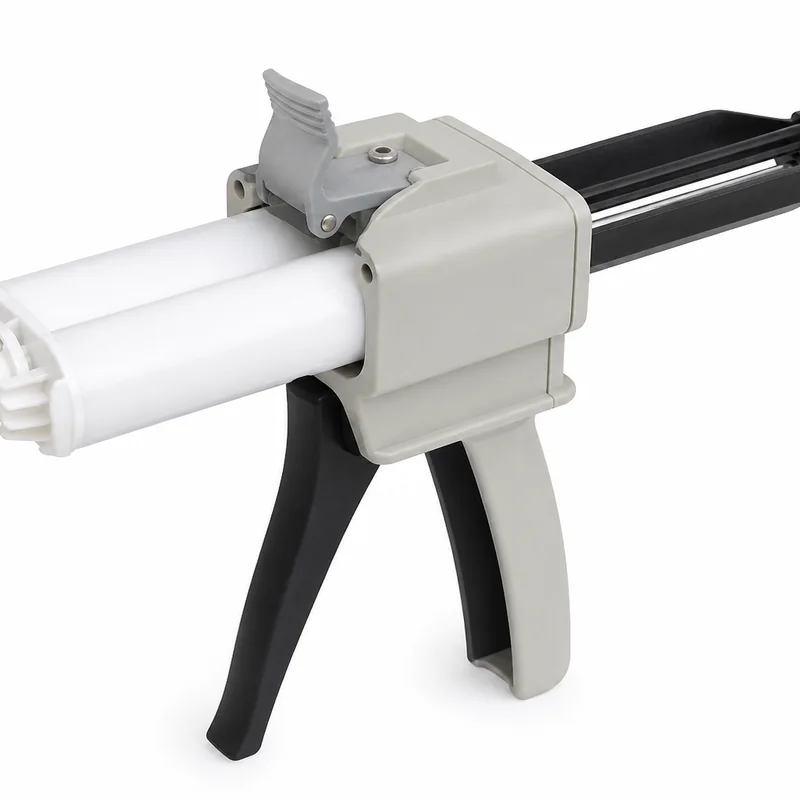
Dispensers for consistent mixing.
Learn more →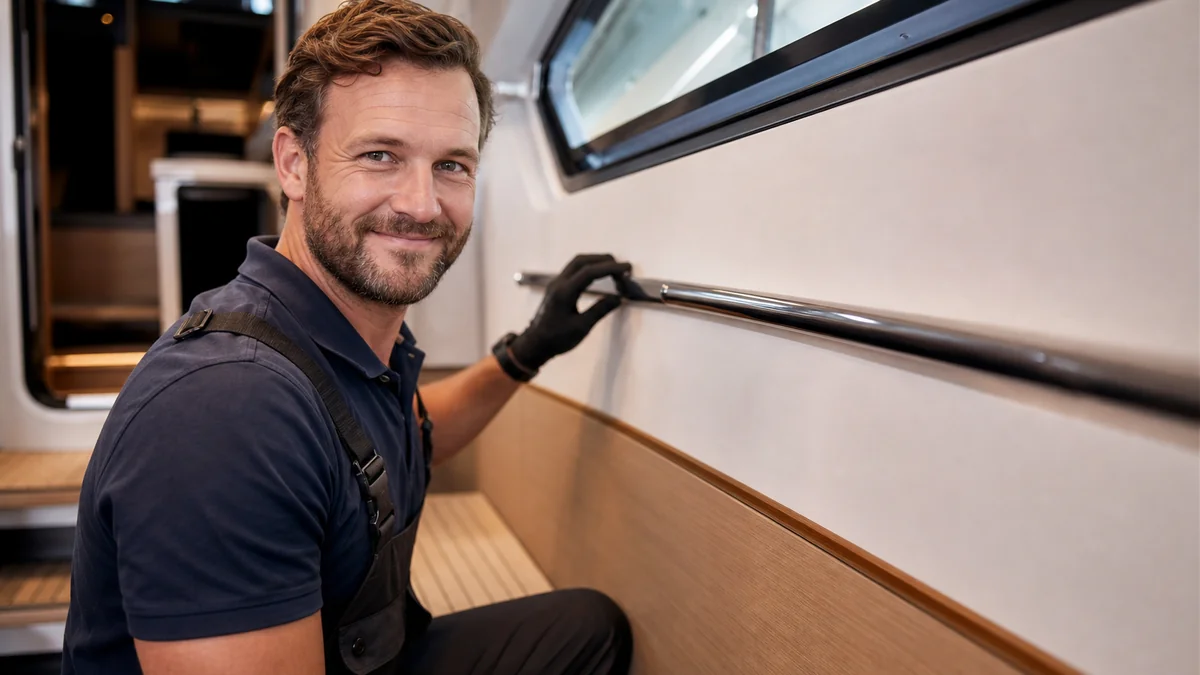
Field feedback from installers.
Learn more →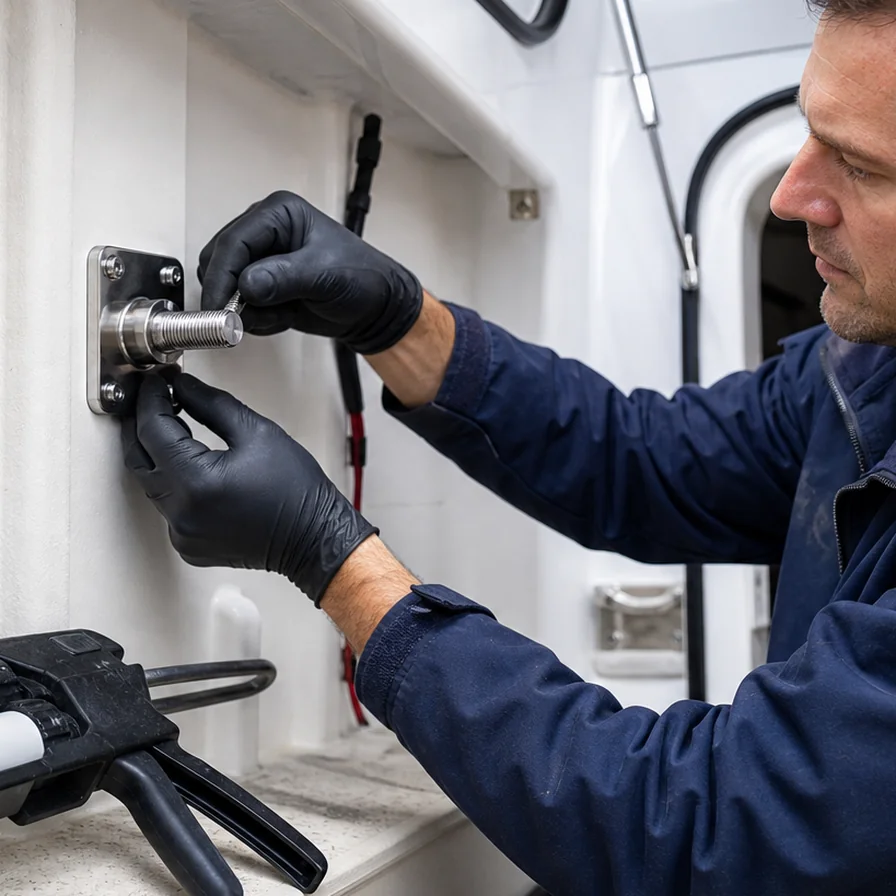
Why Weld Mount
Every drilled hole is a future leak path on a hull or a stress riser in thin sheet metal. Weld Mount moves load into a controlled bond area so skins stay intact while hardware stays put.
Two-part acrylic cures to high shear values on prepared metals and composites. Paired studs, cable bases and spring plungers give threads and tie slots where welds or through-bolts are impractical.
Stainless hardware and UV-stable mounts for wet service.
Steel, aluminum, FRP, carbon and wood with proper prep.
Manual and pneumatic guns with static mix nozzles.
Real installs
Engine rooms, headliners and equipment skids rarely offer room for backing plates. Adhesive pads conform to curved fiberglass and ribbed aluminum while keeping exterior cosmetics clean.
Installers batch prep, dispense and fixture in one workflow. Cable mounts route harnesses away from heat sources. Spring plungers index removable panels without extra holes.
Cable routing guide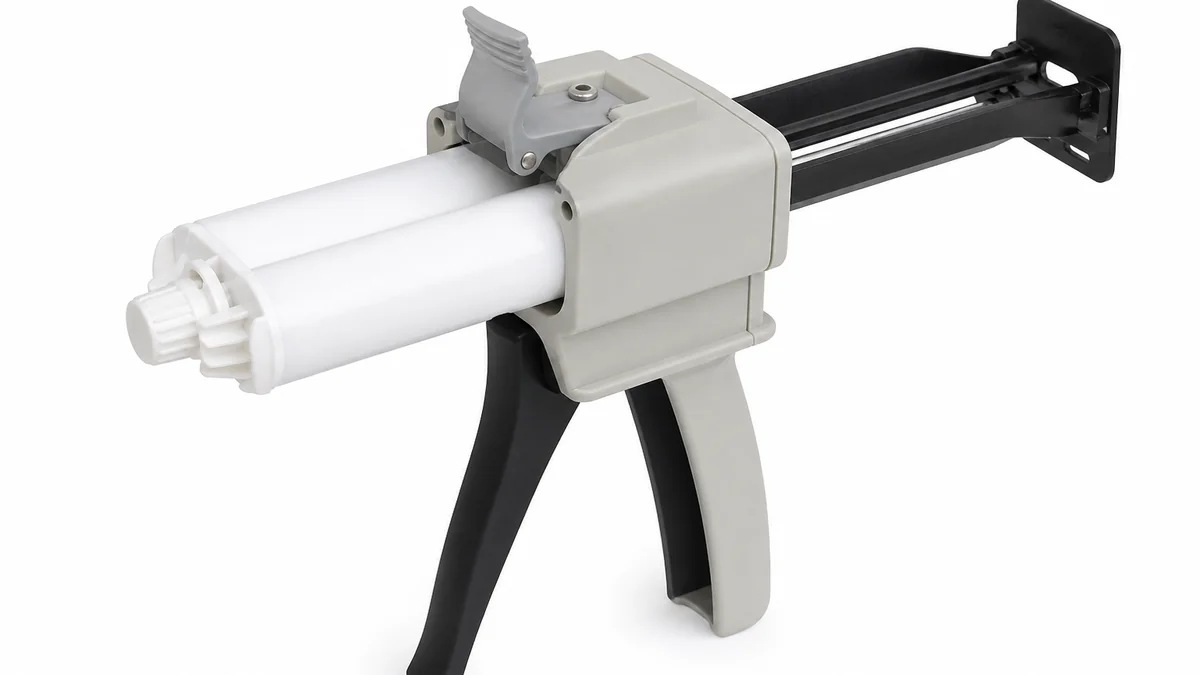
Mechanical fasteners concentrate stress at hole edges. On fiberglass and thin aluminum that leads to cracking, gelcoat spidering and corrosion around exposed edges. Weld Mount adhesive fastening spreads load across a engineered pad so the substrate sees shear rather than point bearing.
Two-part acrylic adhesives mix at the nozzle and begin curing within minutes. Full strength develops over hours depending on temperature and gap. The chemistry bonds aggressively to lightly abraded metals and composites when oils and mold release are removed.
Stud selection matters as much as adhesive grade. Large-footprint bases resist peel on overhead installs. Threaded studs carry equipment brackets; hex bases simplify alignment; mini kits help new crews learn layout spacing before production runs.
Cable tie systems extend the same principle to wire management. Flush mounts preserve headroom in cabins. Heavy-duty pads survive engine-room heat. Stackable bases build vertical routes on bulkheads without stacked drill points.
Spring plungers solve a different problem: repeatable panel location without permanent fasteners. Retractable pins and ball detents give positive feel for access doors on boats, utility bodies and machine enclosures.
Dispensing tools keep mix ratios honest. Manual guns suit field repairs; pneumatic units improve consistency on production lines. Nozzle adapters and bench stands reduce waste and downtime between jobs.
Surface prep is non-negotiable. Wipe with compatible solvents, abrade glossy gelcoat, and allow primers to flash off where plastics resist direct acrylic bond. Skipping prep is the leading cause of field failures—not adhesive tensile limits.
Temperature drives cure speed. Cold shops need longer fixture times or approved accelerators. Hot decks may shorten working time—plan smaller batches and fresh nozzles when ambient temps climb.
Marine installers should map loads realistically. Overhead cable bundles need wider pads and additional ties. Dynamic machinery mounts may still need mechanical backup for shock—treat acrylic as part of a system, not magic.
Automotive builders value clean interiors. Low-profile plungers and adhesive studs mount trim and electronics without visible rivets. Weight savings on aluminum bodies add up when dozens of holes disappear.
Industrial maintenance teams stock cartridge guns and mixed stud sizes for outage windows. Bonded repairs return equipment to service while avoiding hot work permits in hazardous areas.
Ready to go deeper? Explore our guides for acrylic adhesive, bonded studs, cable tie mounts, spring plungers, and dispenser guns. Read installer reviews for field durability notes.
Document each install with substrate type, adhesive lot, nozzle count and cure temperature. That log turns anecdotal success into repeatable process when crews rotate or auditors ask for traceability.
Store cartridges upright in climate-controlled stock. Partially used kits age faster than sealed units—label open dates and discard stiffening material rather than fighting uneven flow.
Train every installer to recognize starved bonds: thin adhesive lines and glossy pads mean insufficient squeeze-out. Proper bonds show uniform fillet around the pad perimeter after fixture.
When in doubt, run peel tests on scrap panels that match the production substrate. Five minutes of validation beats hours of rework on a finished hull or painted door skin.
Adhesive fastening bonds specialty studs, mounts and fittings directly to substrates using structural acrylic. No drilling means fewer leak paths on hulls and cleaner interiors on vehicles.
Weld Mount systems bond to steel, aluminum, fiberglass, carbon fiber and wood when surfaces are clean, dry and properly abraded. Low-energy plastics may need dedicated primer.
Properly cured acrylic joints often exceed the mechanical limits of thin composite skins. Always derate for peel and shock loads—shear on a large pad performs best.
Both. Marine installers favor corrosion-resistant studs and UV-stable cable mounts. Automotive builders use spring plungers and low-profile bases inside cabins and service bodies.
Dual cartridges dispense through manual or pneumatic guns with static mix nozzles. Consistent ratio and mix quality matter more than brand of gun body.
Pick the right acrylic grade, prep routine and stud geometry for your substrate—then build the rest of the system around it.
Adhesive systems guide